
The Galectin Intelligence Platform.
From Human Pathway Perturbation to Clinical Precision
Built on real-world patient biomarker and clinical data from Galectin-3 modulation, the platform converts every trial readout into sharper predictive models, leaner clinical designs, and new therapeutic targets.
Galectin Intelligence Platform
The TB006 clinical AI flywheel
TrueBinding’s goal is to use AI to find patterns in TB006 study data. Each new trial can test whether those patterns hold up.
Step 01
Study TB006
Clinical studies investigate TB006, an antibody that targets Galectin-3.
What does a study measure?
The study protocol defines which outcomes researchers will assess and when. Those choices determine which questions the study data can help answer.
Step 02
Collect human data
Researchers track biomarkers and clinical assessments over time.
Why measure more than once?
A measurement taken before treatment provides a starting point. Later measurements show how that participant’s biomarker levels or clinical assessments changed during the study.
Step 03
Explore patterns with AI
Researchers can explore how starting measurements relate to later outcomes across participants.
What might that look like?
For example, do participants who start with similar biomarker levels also show similar changes over time? A pattern seen in one study gives researchers a question to test in the next.
Step 04
Test the pattern in the next trial
A new group of participants gives researchers a way to examine whether an earlier finding holds up.
What closes the loop?
If a pattern appears again, the team can investigate it further. If it changes or disappears, that result can help researchers revise the question they ask in the next trial.
Each trial makes the next one smarter.
Galectin Intelligence Platform
The TB006 clinical AI flywheel
TrueBinding’s goal is to use AI to find patterns in TB006 study data. Each new trial can test whether those patterns hold up.
Step 01
Study TB006
Clinical studies investigate TB006, an antibody that targets Galectin-3.
What does a study measure?
The study protocol defines which outcomes researchers will assess and when. Those choices determine which questions the study data can help answer.
Step 02
Collect human data
Researchers track biomarkers and clinical assessments over time.
Why measure more than once?
A measurement taken before treatment provides a starting point. Later measurements show how that participant’s biomarker levels or clinical assessments changed during the study.
Step 03
Explore patterns with AI
Researchers can explore how starting measurements relate to later outcomes across participants.
What might a model look for?
For example, do participants with similar starting biomarker levels also show similar changes on a clinical assessment? A pattern in one study gives researchers a specific question to test again.
Step 04
Test findings in the next study
A new group of participants gives researchers a way to examine whether an earlier finding holds up.
What closes the loop?
If a pattern appears again, the team can investigate it further. If it changes or disappears, that result can help researchers revise the question they ask in the next trial.
Each trial makes the next one smarter.
Galectin Intelligence Platform
The TB006 clinical AI flywheel
TrueBinding’s goal is to use AI to find patterns in TB006 study data. Each new trial can test whether those patterns hold up.
Each trial makes the next one smarter.
-
Study TB006
Clinical studies investigate TB006, an antibody that targets Galectin-3.
-
Collect human data
Researchers track biomarkers and clinical assessments over time.
-
Explore patterns with AI
Can measurements taken at the start of a study help explain later outcomes?
-
Test findings in the next study
Does a pattern seen in one study hold up in a new group of participants?
How Human Perturbation Data Drives Every Trial
Rather than training on synthetic assumptions, our computational stack ingests multi-dimensional clinical and biomarker readouts from TB006-treated patients to sharpen trial execution and antibody discovery.
End-to-End Computational Architecture
Multi-Modal Clinical Readouts
Longitudinal plasma Galectin-3 kinetics (~9x target engagement), PK/PD profiles, inflammatory biomarker panels, and clinical cognitive/motor endpoints across neurodegenerative cohorts.
Trajectory & Subgroup Analytics
Baseline covariate modeling, untreated disease-trajectory forecasting, and multi-dimensional responder clustering built on real human pathway perturbation.
Trial & Pipeline Execution
Prognostic covariate adjustment for leaner Phase 2/3 trials, biomarker-guided inclusion criteria, and epitope prioritization for next-generation antibodies.
Prognostic digital twins
For each trial participant, the platform models the disease trajectory they would most likely follow without treatment based on baseline clinical and biomarker covariates. Incorporating these prognostic scores reduces unexplained outcome variance—enabling smaller sample sizes and higher statistical confidence under regulatory-qualified prognostic frameworks.
Responder enrichment
Neuroinflammatory and neurodegenerative patients do not respond uniformly. By mining longitudinal human datasets from completed Phase 1b/2a studies and ongoing Phase 2 cohorts, the platform identifies baseline biomarker and clinical signatures linked to stronger Gal-3 target engagement and clinical benefit—preventing signal dilution in subsequent trials.
Human-first target discovery
Pharmacological neutralization of Galectin-3 in people provides a direct, in vivo readout of how the pathway regulates chronic inflammation and protein aggregation in human biology. The platform analyzes downstream biomarker shifts to guide affinity and epitope engineering for next-generation Gal-3 antibodies and uncover adjacent pathway targets.
What can researchers learn from a TB006 study?
Explore how measurements collected during a study could help researchers identify a pattern and decide what to test next.
Prognostic digital twins
Could measurements taken at enrollment help estimate a participant’s likely disease course without treatment? Researchers could compare those estimates with observed outcomes to assess how well the model performs.
Differences in response
Do starting characteristics help explain why participants have different outcomes? A pattern found in one group would give researchers a hypothesis to examine in another.
Galectin-3 research
Which biomarker changes warrant a closer look after a TB006 study? Those observations could help researchers prioritize follow-up questions about Galectin-3 biology.
What the Platform Is Not
TrueBinding treats artificial intelligence as an instrument for rigorous biology—never a substitute for experimental or clinical proof.
Not a replacement for wet-lab validation
Computational predictions generate hypotheses, not proof. No AI-derived antibody candidate or target insight advances without rigorous biochemical, cellular, and in vivo validation.
Not a promise beyond the data
We do not treat algorithms as black-box oracles or extrapolate past what human biology supports. Every prognostic model and responder signature must be earned through reproducible clinical readouts.
Not unmeasured efficiency claims
We do not publish hypothetical timeline cuts or speculative cost-reduction projections. Operational and trial-design gains are reported only after they are empirically measured in prospective studies.
How we evaluate AI findings
An AI model can suggest a question worth testing. The evidence we need depends on what the model predicts.
Test biological predictions in the lab
When a model points to an antibody candidate or a potential target, the prediction is a starting hypothesis. Before it advances, researchers test it in biochemical, cellular, and in vivo studies.
Check whether clinical patterns repeat
A pattern in one group of participants raises a question for the next study. Does the same relationship appear again? Reproducible clinical observations help researchers judge how much confidence to place in a model.
Measure the impact on trial design
A proposed change to a trial may look promising on paper. TrueBinding reports gains in trial design or operations only after measuring them in prospective studies.
George Hong
Founder & Chief Executive Officer
Why a Computer Scientist Founded a Biotech
“Drug development’s bottleneck is no longer chemistry — it is knowing which patients, which trials, and which targets. The company is built the way a data company is built: the drug generates the data, and the data improves the drug.”
George Hong founded TrueBinding in 2016 on that simple observation. That closed-loop architecture is the Galectin Intelligence Platform, and it is the reason a computer scientist built a clinical-stage biotechnology company.
Alongside leading TrueBinding, he serves as Chief Executive Officer of Wangsu Technology (SZSE: 300017), where he is spearheading the company’s strategic transformation into large-scale AI infrastructure for AI models—bringing deep systems-engineering and data-platform discipline directly into therapeutic development.
Clinical research
TB006 in Alzheimer’s disease
Founder & Leadership

George Hong
Founder & Chief Executive Officer
- Education
- M.S. in Computer Science, University of Arizona
- AI Infrastructure Leadership
- CEO, Wangsu Technology (SZSE: 300017) — leading its pivot into AI infrastructure for AI models
- TrueBinding
- Founded in 2016
Healthcare Investment Portfolio
- Ceribell
- Neurovasc
- Arrinex
- Devoro
- Lucira
Data-Native Leadership
Why a Computer Scientist Founded a Biotech
“Drug development’s bottleneck is no longer chemistry — it is knowing which patients, which trials, and which targets. The company is built the way a data company is built: the drug generates the data, and the data improves the drug.”
George Hong founded TrueBinding in 2016 on that simple observation. That closed-loop architecture is the Galectin Intelligence Platform, and it is the reason a computer scientist built a clinical-stage biotechnology company.
Alongside leading TrueBinding, he serves as Chief Executive Officer of Wangsu Technology (SZSE: 300017), where he is spearheading the company’s strategic transformation into large-scale AI infrastructure for AI models—bringing deep systems-engineering and data-platform discipline directly into therapeutic development.

Founder & Leadership
George Hong
Founder & Chief Executive Officer
- Education
- M.S. in Computer Science, University of Arizona
- AI infrastructure leadership
- CEO, Wangsu Technology (SZSE: 300017)
Healthcare investment portfolio
Ceribell, Neurovasc, Arrinex, Devoro, and Lucira
Why a Computer Scientist Founded a Biotech
George Hong founded TrueBinding in 2016. His background in computer science informs the idea behind the Galectin Intelligence Platform: what researchers learn in one clinical study can shape the questions they ask in the next.
“The company is built the way a data company is built: the drug generates the data, and the data improves the drug.”
George Hong
Founder & Chief Executive Officer
- Education
- M.S. in Computer Science, University of Arizona
- AI infrastructure leadership
- CEO, Wangsu Technology (SZSE: 300017)
Healthcare investment portfolio
Ceribell, Neurovasc, Arrinex, Devoro, and Lucira
Why a computer scientist founded a biotech
George Hong founded TrueBinding in 2016. His background in computer science informs the idea behind the Galectin Intelligence Platform: what researchers learn in one clinical study can shape the questions they ask in the next.
“The company is built the way a data company is built: the drug generates the data, and the data improves the drug.”
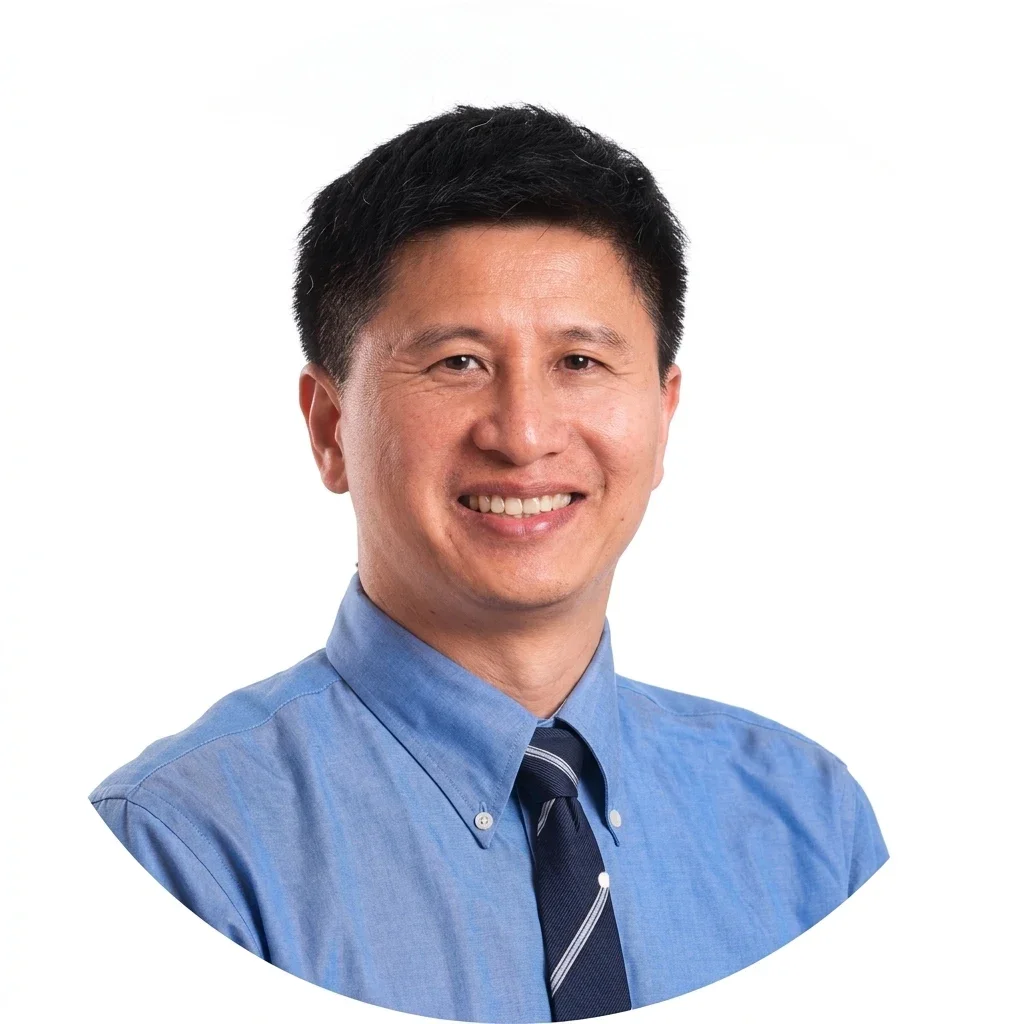
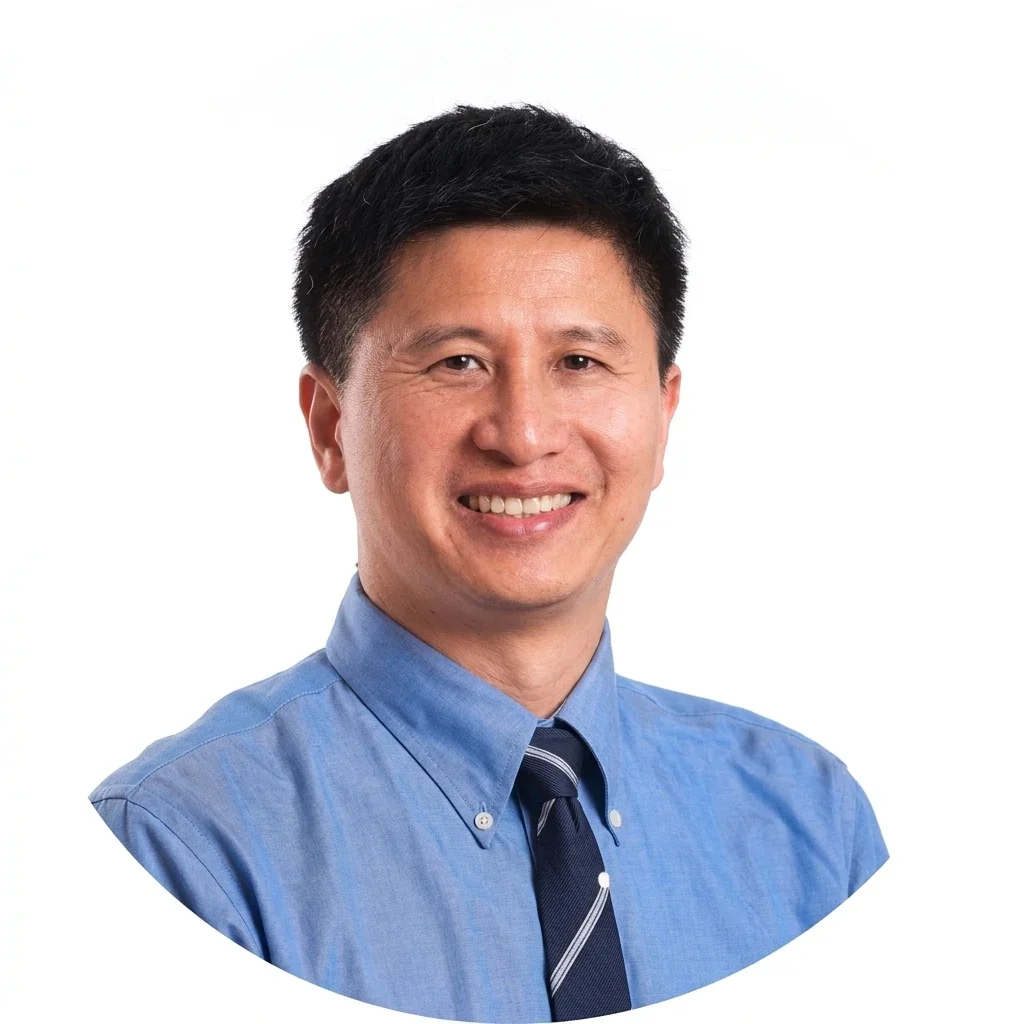
George Hong
Founder & Chiever Executive Officer
Founder perspective
Why a Computer Scientist Founded a Biotech
George Hong founded TrueBinding in 2016. His background in computer science informs the idea behind the Galectin Intelligence Platform: what researchers learn in one clinical study can shape the questions they ask in the next.
“The company is built the way a data company is built: the drug generates the data, and the data improves the drug.”
Leadership background and investments
- Education
- M.S. in Computer Science, University of Arizona
- AI infrastructure leadership
- Chief Executive Officer, Wangsu Technology (SZSE: 300017)
- Healthcare investment portfolio
- Ceribell, Neurovasc, Arrinex, Devoro, and Lucira