Nonalcoholic Steatohepatitis (NASH), Now Called MASH: A Galectin-3 Research Timeline
Why Older Studies Say NASH
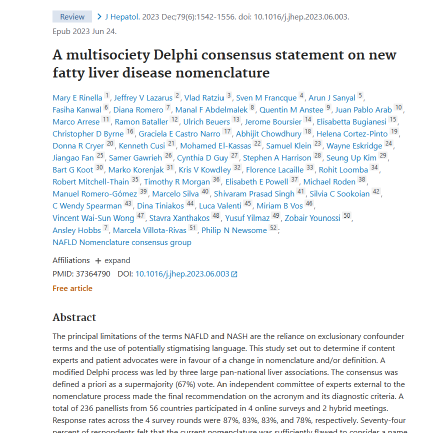
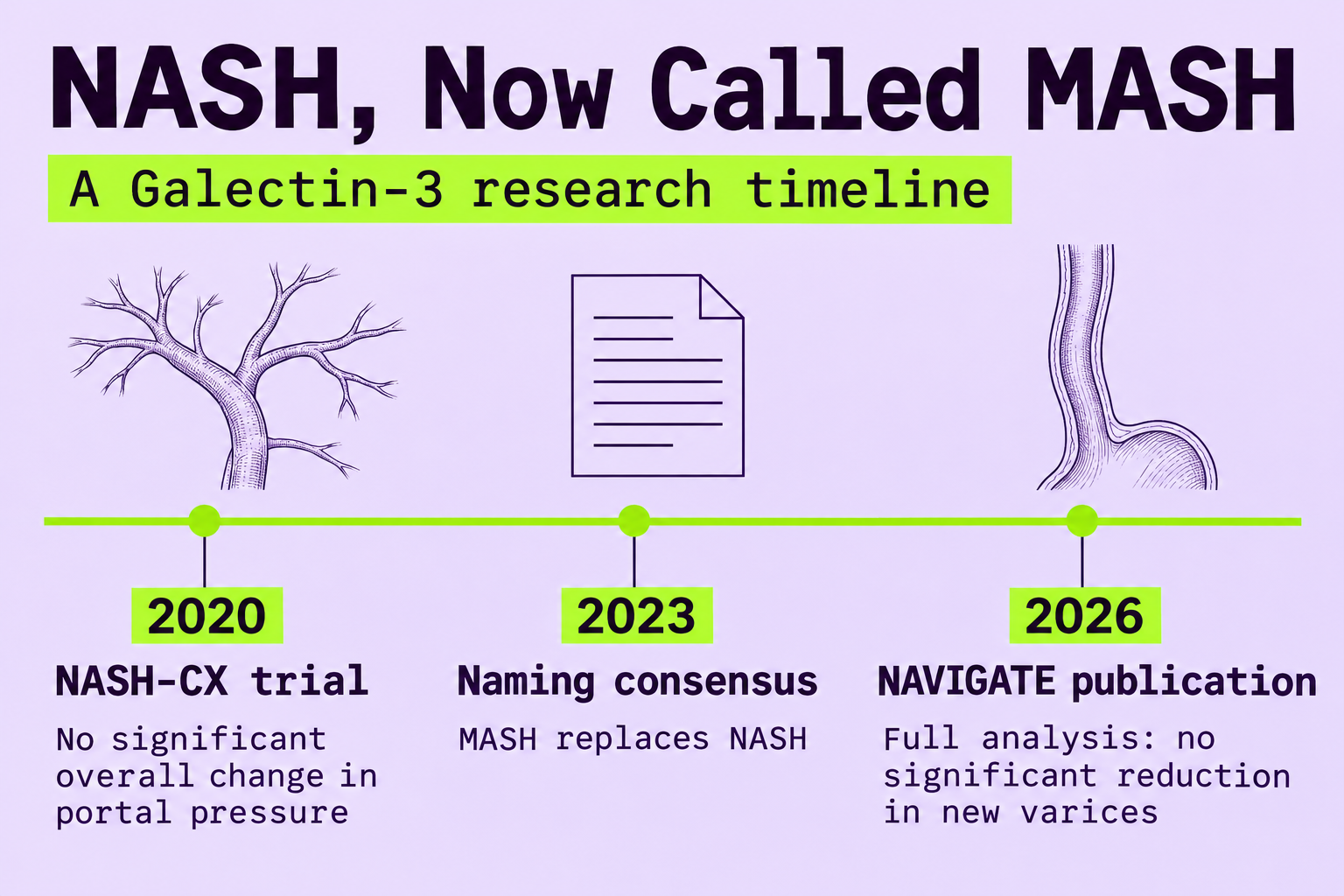
Nonalcoholic steatohepatitis (NASH) is the former name for metabolic dysfunction-associated steatohepatitis (MASH). A 2023 multisociety consensus adopted the new term to reflect the role of metabolic dysfunction. Older papers are still searchable by their original titles and often describe the broader condition as NAFLD, the predecessor term to MASLD. [1]
2013: A Mouse Study Connects Galectin-3 and Fibrosis
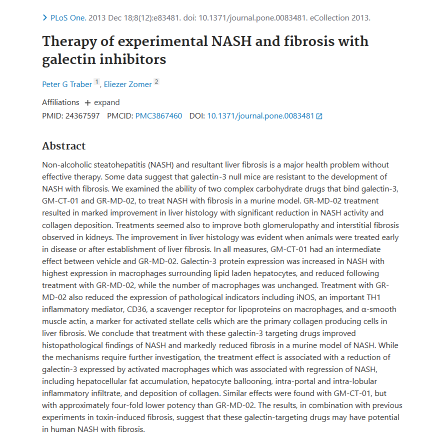
In an experimental model of NASH, researchers observed Galectin-3 in macrophages clustered around fat-laden liver cells. They reported less scarring after treatment with galectin-binding compounds. The results were specific to the mouse model and prompted questions about whether targeting galectins could help people with advanced liver disease. [2]
2020: The NASH-CX Trial Tested Portal Pressure
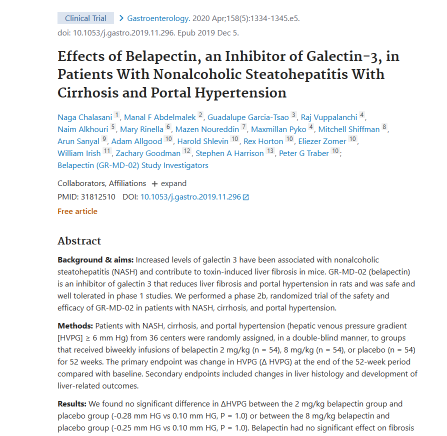
This randomized phase 2b study enrolled 162 people with cirrhosis and portal hypertension. After one year, belapectin did not significantly reduce portal pressure, measured by the hepatic venous pressure gradient, or fibrosis versus placebo in the overall study population. A subgroup without esophageal varices at enrollment showed a signal at the lower dose. Varices are enlarged veins that can develop when portal pressure is high. [3]
2026: NAVIGATE Focused on New Varices
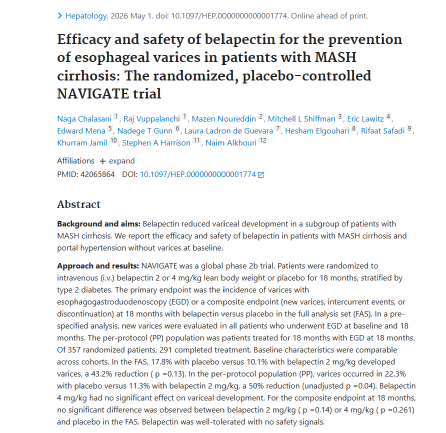
The next published trial enrolled people who started without esophageal varices and assessed whether new varices developed over 18 months. The full analysis did not show a statistically significant reduction. The per-protocol analysis reported fewer new varices at the lower dose. [4]
How to Read the Two Trials Together
The earlier study centered on portal pressure, while NAVIGATE centered on new esophageal varices. Both studied people with advanced liver disease, and the subgroup and per-protocol findings should be read alongside the overall results. For the disease overview, look for Metabolic Dysfunction-Associated Steatohepatitis (MASH) in the Gal3Blog. [1][3][4]
Scientific Foundations: The Evidence for Galectin-3 and NASH
-
![]()
Journal: Hepatology
A multisociety Delphi consensus statement on new fatty liver disease nomenclature (2023)
-
![]()
Journal: PLOS ONE
Therapy of experimental NASH and fibrosis with galectin inhibitors (2013)
-
![]()
Journal: Gastroenterology
Effects of Belapectin, an Inhibitor of Galectin-3, in Patients With Nonalcoholic Steatohepatitis With Cirrhosis and Portal Hypertension (2020)
-
![]()
Journal: Hepatology
Efficacy and safety of belapectin for the prevention of esophageal varices in patients with MASH cirrhosis: The randomized, placebo-controlled NAVIGATE trial (2026)