Galectin-3 and Metabolic Dysfunction-Associated Steatohepatitis (MASH)
What Is MASH?
Metabolic dysfunction-associated steatohepatitis (MASH) is a form of metabolic dysfunction-associated steatotic liver disease (MASLD) in which excess liver fat occurs alongside inflammation and liver-cell injury. The previous name was nonalcoholic steatohepatitis (NASH), which still appears in older research and records. [1][2]
How Liver Injury Can Lead to Scarring
Ongoing injury can lead to fibrosis, the buildup of scar tissue. Extensive scarring can become cirrhosis, which can impede blood flow through the liver. This can raise pressure in the portal circulation, a complication called portal hypertension. One consequence is the development of enlarged veins in the esophagus, called esophageal varices. [2][5]
Why Researchers Study Galectin-3
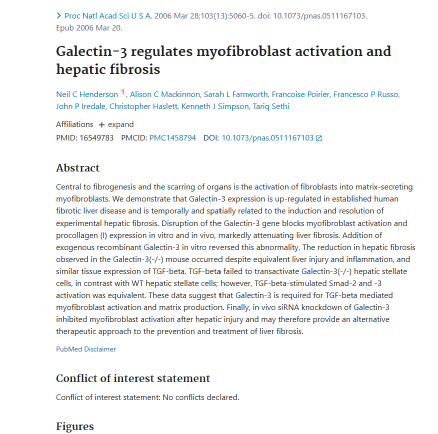
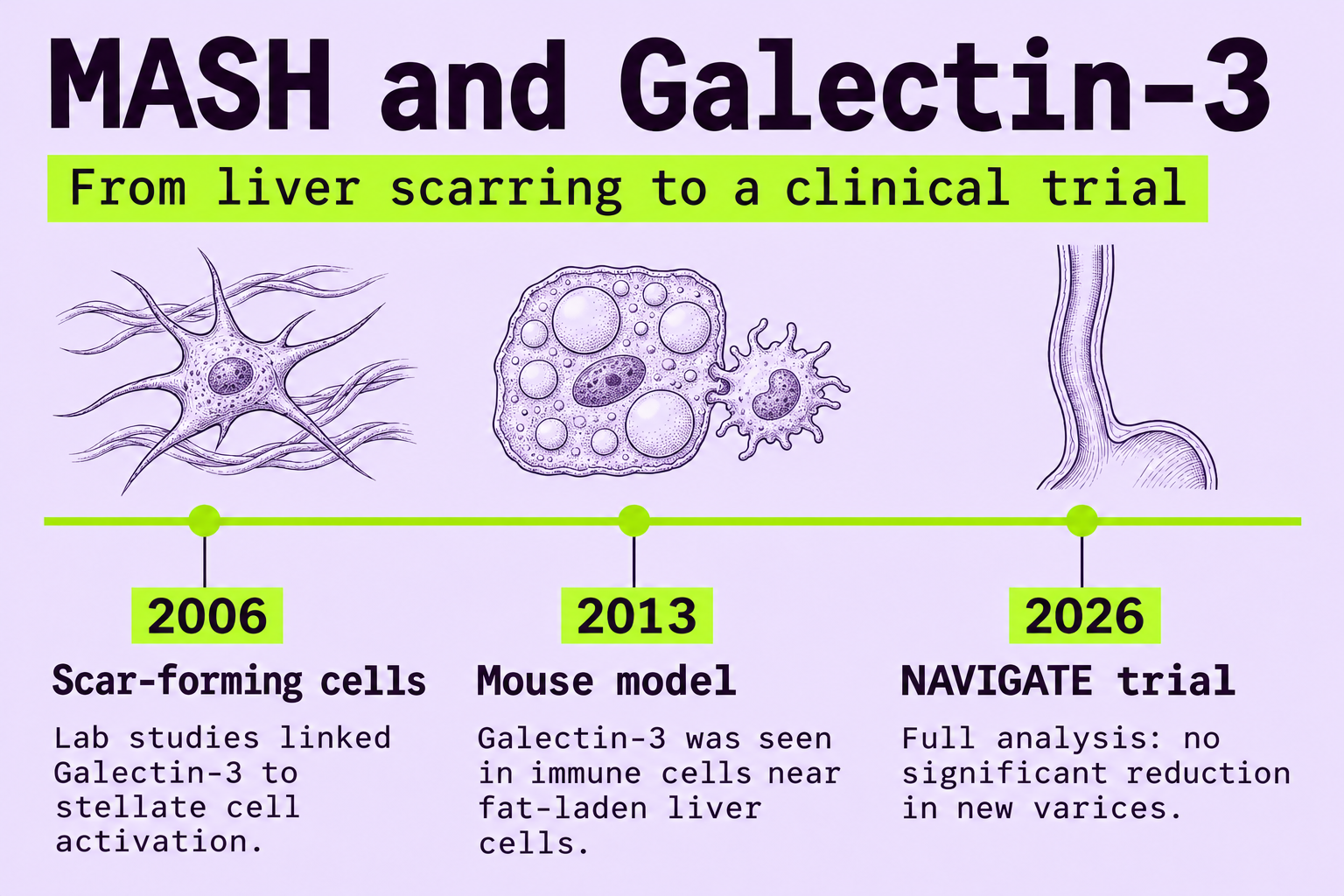
In experiments on liver scarring, researchers found that Galectin-3 helped hepatic stellate cells take on a scar-producing state. Mice lacking Galectin-3 developed less fibrosis after chemically induced liver injury. The study tested a mechanism of scarring in a liver-injury model. [3]
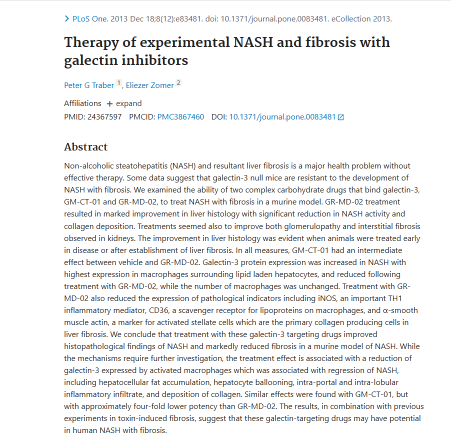
In a separate mouse model of steatohepatitis, researchers detected high Galectin-3 expression in macrophages around fat-laden liver cells and reported less fibrosis after treatment with an experimental galectin-binding compound. The findings help explain why researchers pursued human trials. [4]
What Did the NAVIGATE Trial Find?
The 2026 NAVIGATE publication evaluated belapectin in people with MASH cirrhosis and portal hypertension who had no esophageal varices at enrollment. Over 18 months, the reduction in new varices at the 2 mg/kg dose did not reach statistical significance in the full analysis. The lower rate in the per-protocol population, which focused on participants who completed the study as specified, had an unadjusted p-value of 0.04. [5]
The distinction matters when interpreting the results. The trial addressed one complication of advanced cirrhosis, so it cannot establish that belapectin reverses fibrosis or treats earlier-stage MASH. [5]
Scientific Foundations: The Evidence for Galectin-3 and MASH
-
![]()
Journal: Hepatology
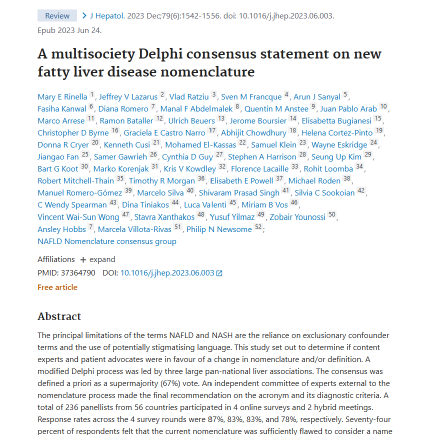
A multisociety Delphi consensus statement on new fatty liver disease nomenclature (2023)
-
![]()
Journal: Journal of Hepatology
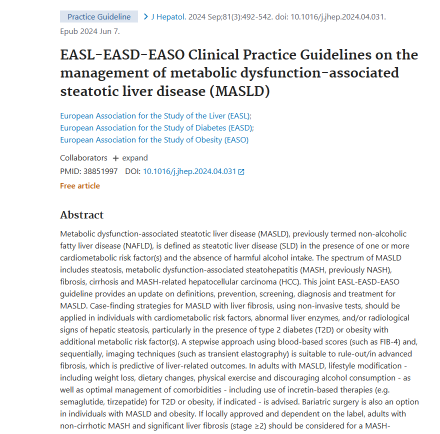
EASL-EASD-EASO Clinical Practice Guidelines on the management of metabolic dysfunction-associated steatotic liver disease (MASLD) (2024)
-
![]()
Journal: Proceedings of the National Academy of Sciences
Galectin-3 regulates myofibroblast activation and hepatic fibrosis (2006)
-
![]()
Journal: PLOS ONE
Therapy of experimental NASH and fibrosis with galectin inhibitors (2013)