Galectin-3 and Ischemic Stroke: Connecting Brain Inflammation, Microglial Responses, and Recovery
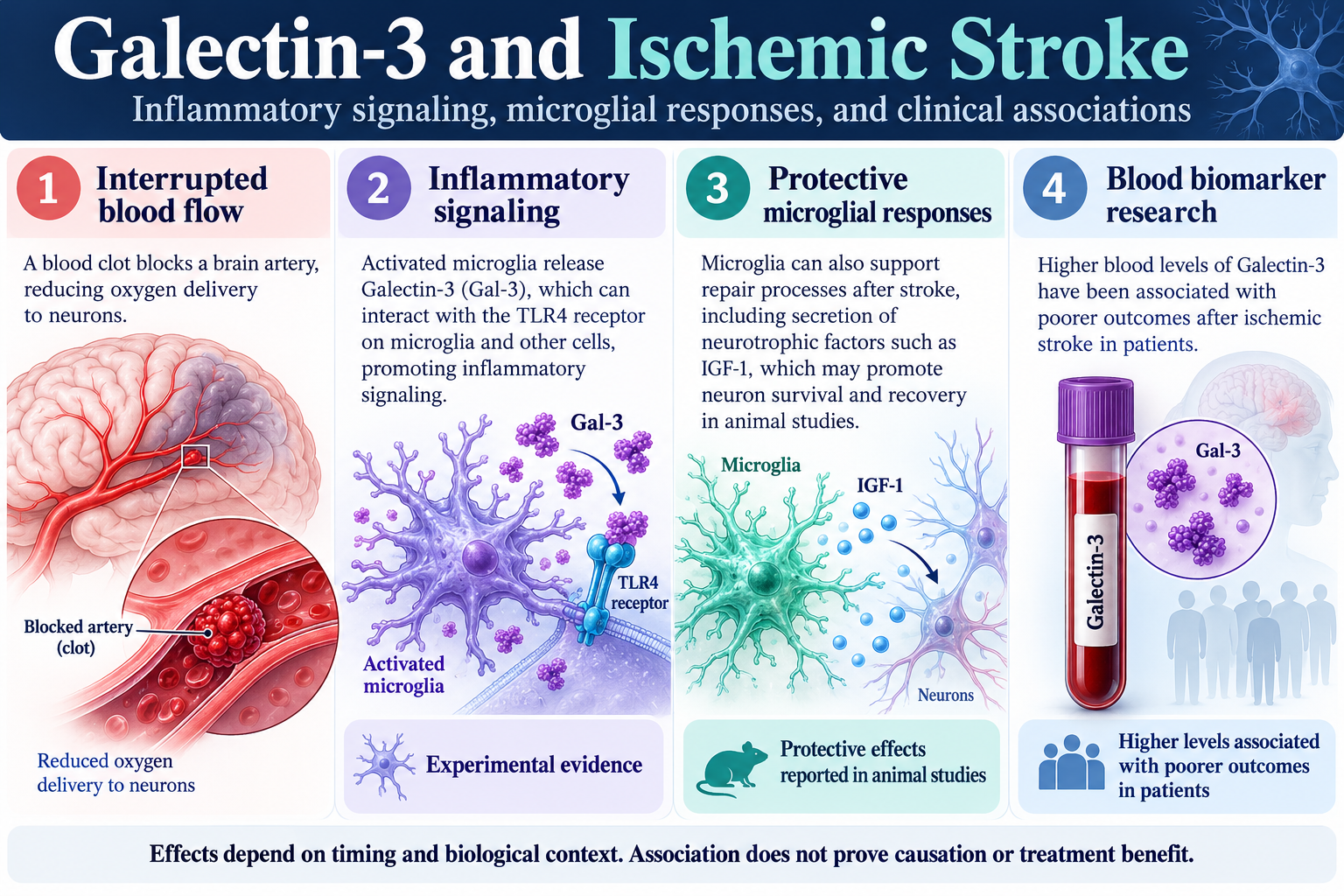
What Is Ischemic Stroke?
An ischemic stroke occurs when blood flow to part of the brain is blocked, depriving cells of oxygen and nutrients. Beyond the initial loss of blood supply, inflammation and swelling can contribute to further injury.
Stroke is a medical emergency. Sudden facial drooping, arm weakness, speech difficulty, or other stroke symptoms require an immediate call to 911. [5]
Researchers are studying Galectin-3 (Gal-3) because it participates in immune-cell signaling and responses to brain injury. Its role after stroke depends on the biological setting and timing.
Galectin-3 Can Amplify Inflammatory Signaling
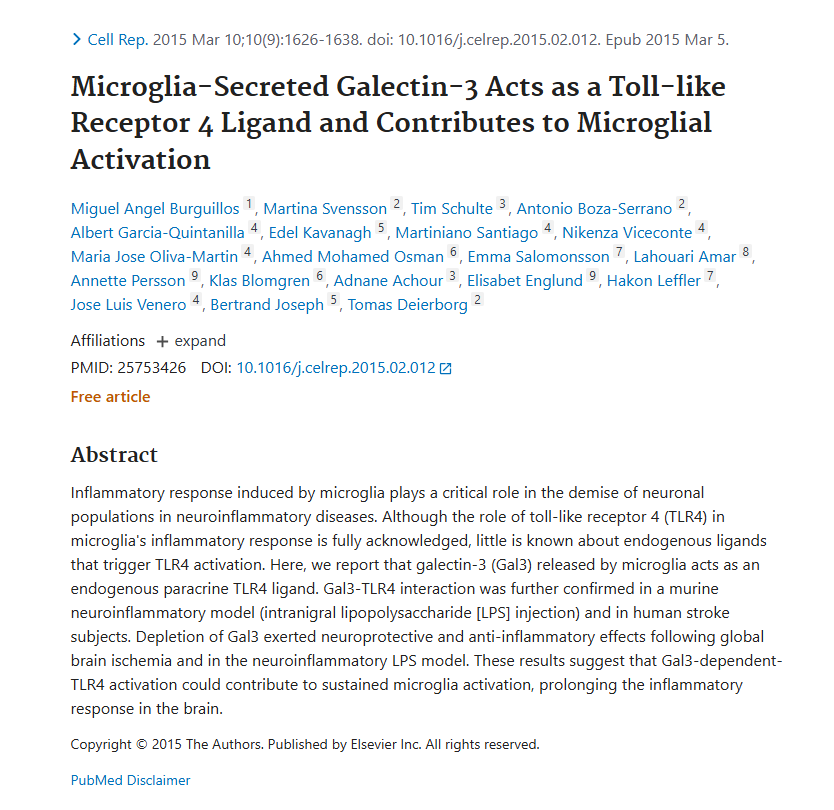
Microglia, the brain's resident immune cells, change their activity after injury. A 2015 study found that Galectin-3 released by microglia could bind Toll-like receptor 4 (TLR4) and promote microglial activation.
The researchers identified Galectin-3–TLR4 interactions in an experimental model of brain inflammation and in tissue from people who had experienced stroke. Removing Galectin-3 reduced inflammatory injury in experimental models, including global brain ischemia.
These findings suggest one mechanism through which Galectin-3 may help sustain inflammation. They do not establish that blocking it improves recovery after human ischemic stroke. [1]
Galectin-3 Also Supports Microglial Responses to Ischemic Injury
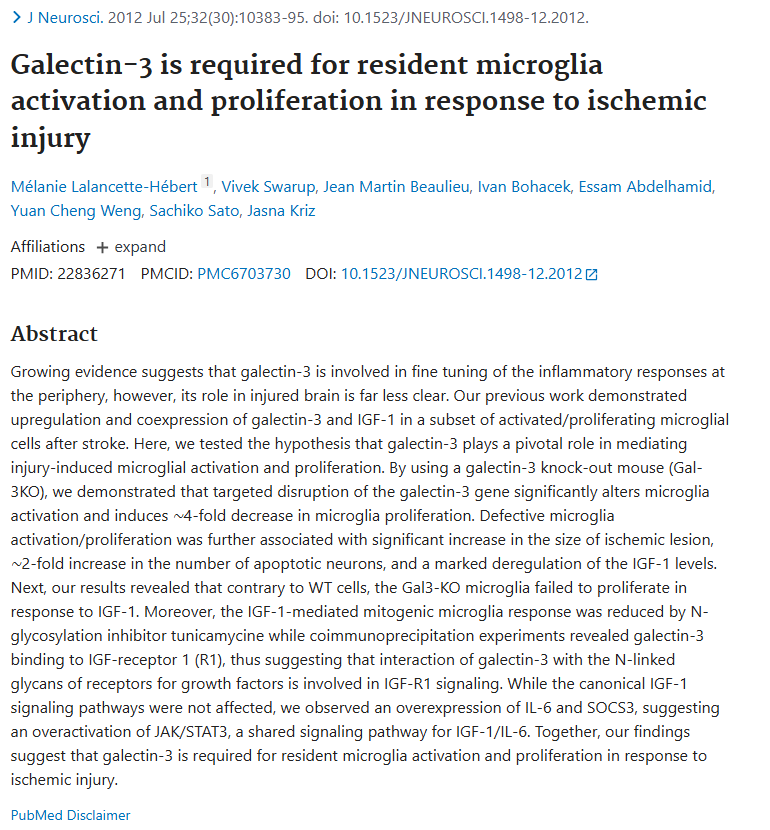
Galectin-3 is not associated only with damaging responses. A 2012 mouse study found that removing the Galectin-3 gene impaired microglial activation and proliferation after ischemic injury.
Mice lacking Galectin-3 developed larger ischemic lesions and more apoptotic neurons. Their microglia also failed to proliferate normally in response to insulin-like growth factor 1 (IGF-1).
The findings suggest that Galectin-3 helps coordinate a protective microglial response in that model. Complete genetic absence of a protein is different from selectively modifying its activity with a treatment. [2]
Timing May Change the Effects of Galectin-3
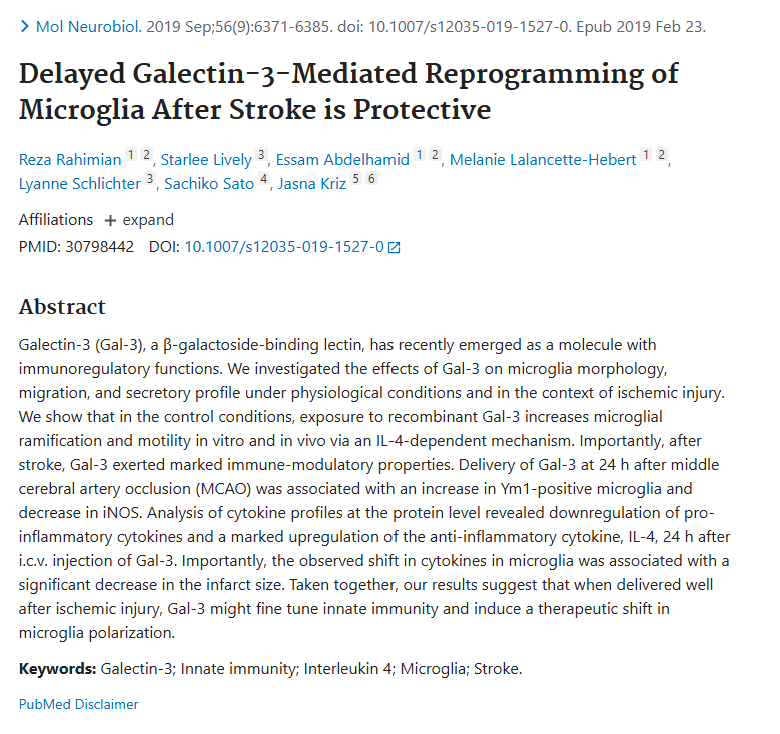
A 2019 experimental study investigated what happened when Galectin-3 was delivered 24 hours after middle cerebral artery occlusion, an animal model of ischemic stroke.
Delivery into the brain's ventricular system was associated with changes in microglial markers, lower levels of pro-inflammatory cytokines, increased interleukin-4 (IL-4), and a smaller infarct.
This suggests that delayed Galectin-3 exposure can shift immune responses toward protection in an experimental setting. The administration route and animal findings do not establish a treatment strategy for patients. [3]
Higher Blood Galectin-3 Is Associated With Poorer Outcomes
Human research has examined Galectin-3 as a possible prognostic biomarker, a measurement that may help estimate outcomes.
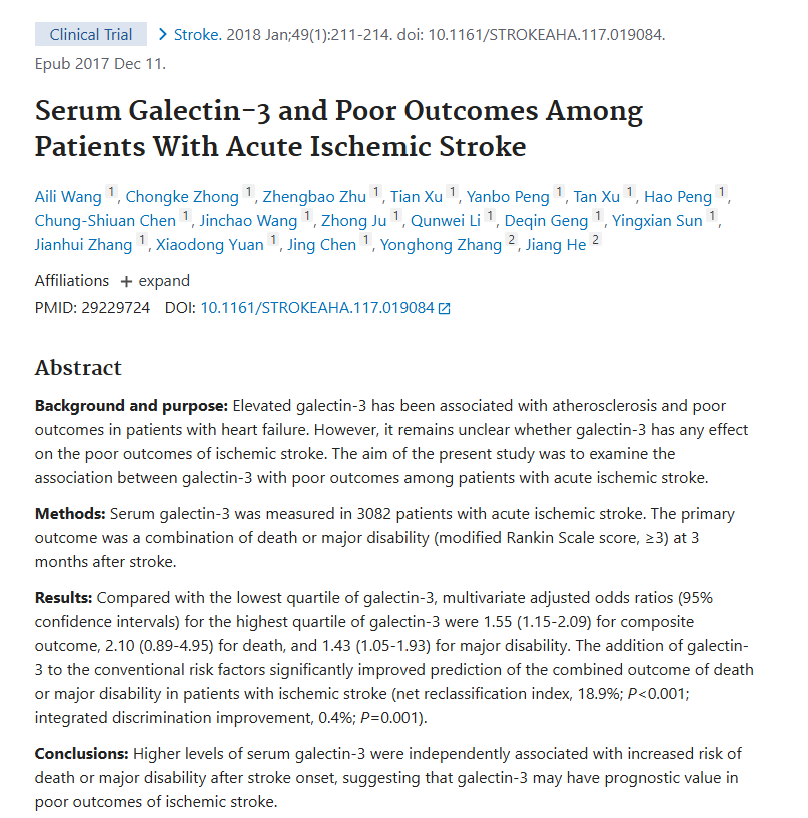
A study published in Stroke in 2018 measured serum Galectin-3 in 3,082 patients with acute ischemic stroke. Patients in the highest Galectin-3 quartile had higher adjusted odds of the combined outcome of death or major disability at three months than those in the lowest quartile.
This was an association, not proof that Galectin-3 caused the poorer outcomes. It also did not test whether lowering Galectin-3 improved recovery. [4]
Why Is Galectin-3 of Scientific Interest?
The studies connect Galectin-3 with several aspects of the response to stroke:
Inflammatory signaling: interactions with immune receptors such as TLR4.
Microglial responses: effects on activation, proliferation, and growth-factor signaling.
Timing-dependent effects: protective responses reported in specific animal experiments.
Clinical prognosis: associations between blood levels and subsequent disability or death.
Blood Galectin-3 measurements and Galectin-3 activity within injured brain tissue provide different kinds of information. Findings from these settings should not be treated as interchangeable.
Together, the evidence supports continued research into Galectin-3 as a biomarker and regulator of post-stroke immune responses. The studies summarized here do not establish Galectin-3 inhibition—or supplementation—as an effective treatment for human ischemic stroke.
Scientific Foundations: The Evidence for Galectin-3 and heart
-
![]()
Journal: Cell Reports
Microglia-Secreted Galectin-3 Acts as a Toll-like Receptor 4 Ligand and Contributes to Microglial Activation (2015)
-
![]()
Journal: The Journal of Neuroscience
Galectin-3 Is Required for Resident Microglia Activation and Proliferation in Response to Ischemic Injury (2012)
-
![]()
Journal: Molecular Neurobiology
Delayed Galectin-3-Mediated Reprogramming of Microglia After Stroke is Protective (2019)
-
![]()
Journal: Stroke
Serum Galectin-3 and Poor Outcomes Among Patients With Acute Ischemic Stroke (2018)