The Muscle-Immune Crossroad: Galectin-3 and Inclusion Body Myositis (sIBM)
Inclusion Body Myositis (IBM)
The most common inflammatory muscle disease in older adults.
It is notoriously difficult to treat because it isn't just an "inflammation" problem; it's also a "clumping" problem where toxic proteins build up inside muscle fibers.
Recent research has identified Galectin-3 as a key player in how the body’s immune system mistakenly invades and destroys healthy muscle tissue.
1. What makes IBM Different?
In sIBM, two things happen simultaneously:
Autoimmune Attack: T-cells (immune soldiers) aggressively invade muscle fibers.
Degenerative Clumping: "Inclusion bodies" (clumps of waste proteins) form inside the muscles, similar to the plaques found in Alzheimer’s brains.
2. Gal3: The "Scent" that Leads the Attack
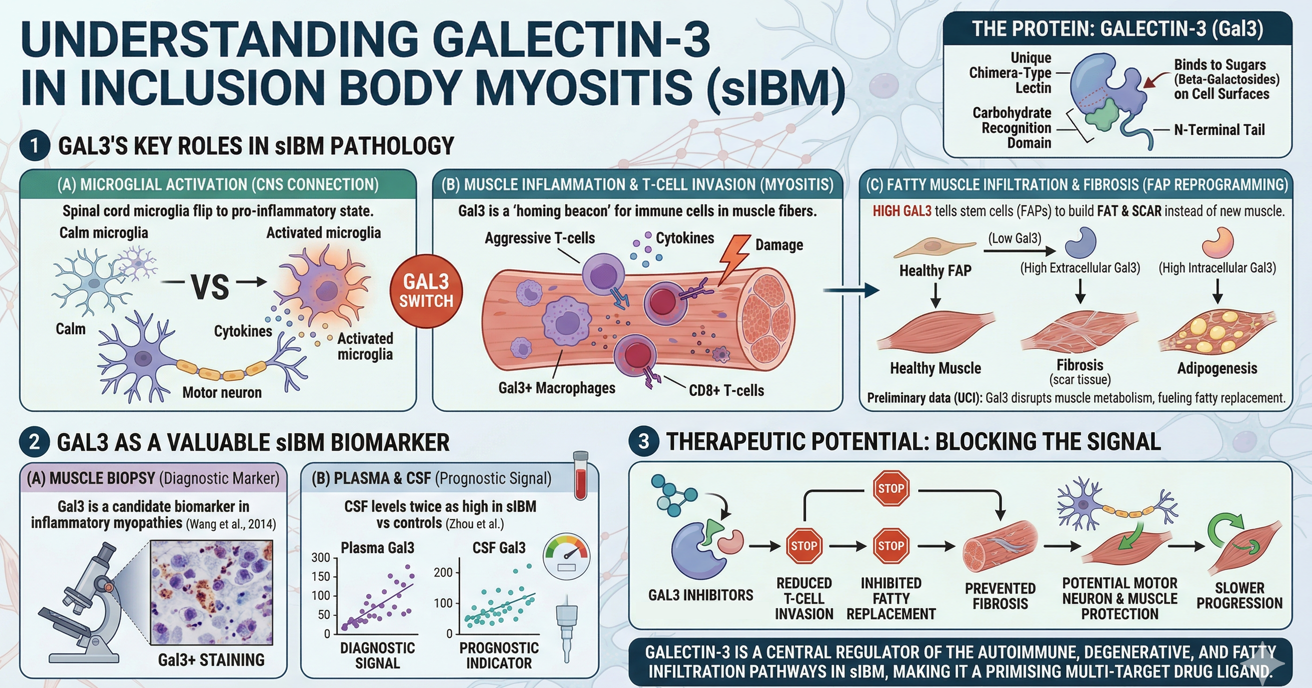
In sIBM, Galectin-3 is highly expressed in the areas where immune cells meet muscle fibers.
Macrophage Recruitment: Gal3 acts as a chemical "homing beacon" for macrophages and T-cells. It tells the immune system exactly where to attack.
Fibrosis (Scarring): As the muscle fibers die, Gal3 promotes the growth of connective tissue (fibrosis), which replaces flexible muscle with stiff, non-functional "scars." This is why patients experience the characteristic "locking" or extreme weakness in the fingers and quadriceps.
3. Gal3 and the "Degenerative" Side
Beyond inflammation, Gal3 is involved in autophagy—the cell's trash-disposal system.
In sIBM, the trash-disposal system breaks down.
Gal3 is often found localized around "damaged" lysosomes (the cell's recycling centers). When these centers burst, Gal3 rushes in to mark the damage, but in sIBM, this process goes into overdrive, leading to further cell death.
4. Why this matters for sIBM Patients
Because sIBM is often resistant to standard steroids (which work for other types of myositis), doctors are looking for new targets.
Better Diagnosis: Measuring Gal3 in muscle biopsies can help distinguish sIBM from other muscle-wasting diseases.
Breaking the Resistance: Scientists are exploring whether Gal3 Inhibitors—drugs that block this protein—could finally offer a way to stop the T-cell invasion without the heavy side effects of traditional immunosuppressants.
Scientific Foundations: The Evidence for Galectin-3 and IBM
-
![]()
Journal: Development
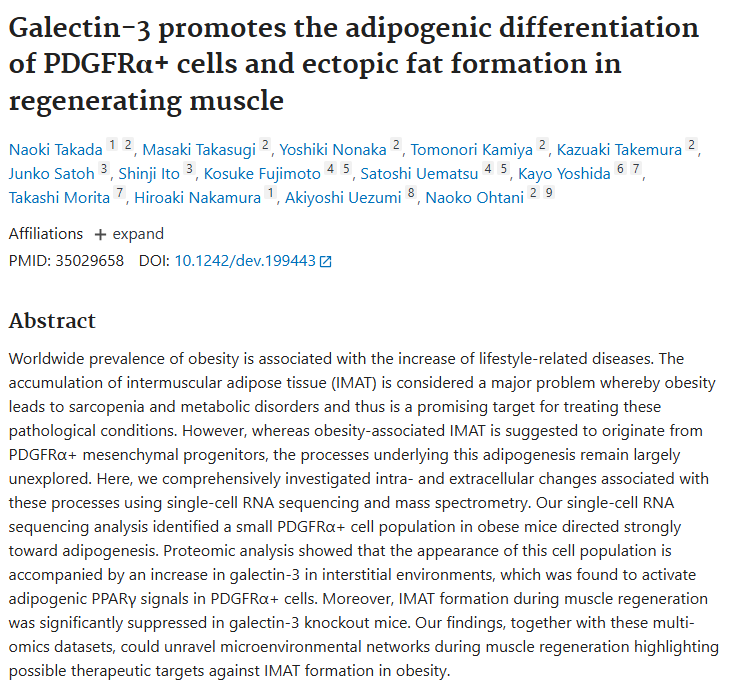
Galectin-3 promotes the adipogenic differentiation of PDGFRα+ cells and ectopic fat formation in regenerating muscle (2022)
-
![]()
Journal: Biomolecules
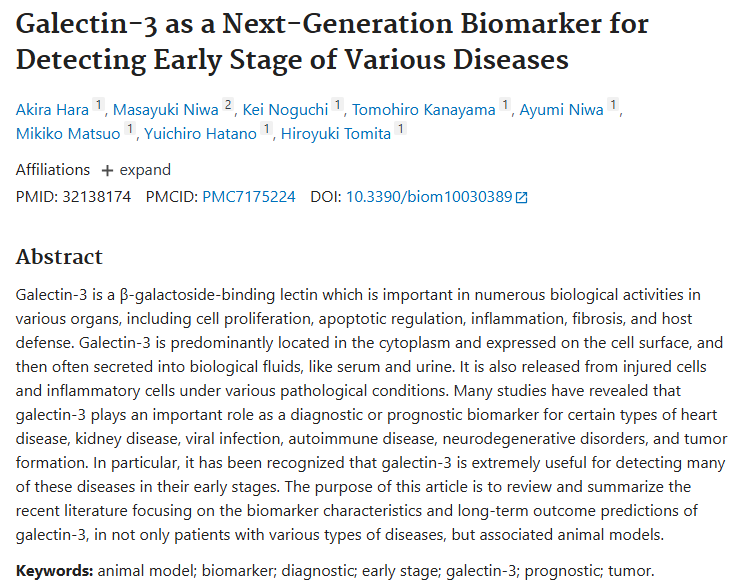
Galectin-3 as a Next-Generation Biomarker for Detecting Early Stage of Various Diseases (2020)
-
![]()
Journal: Proteomic Science
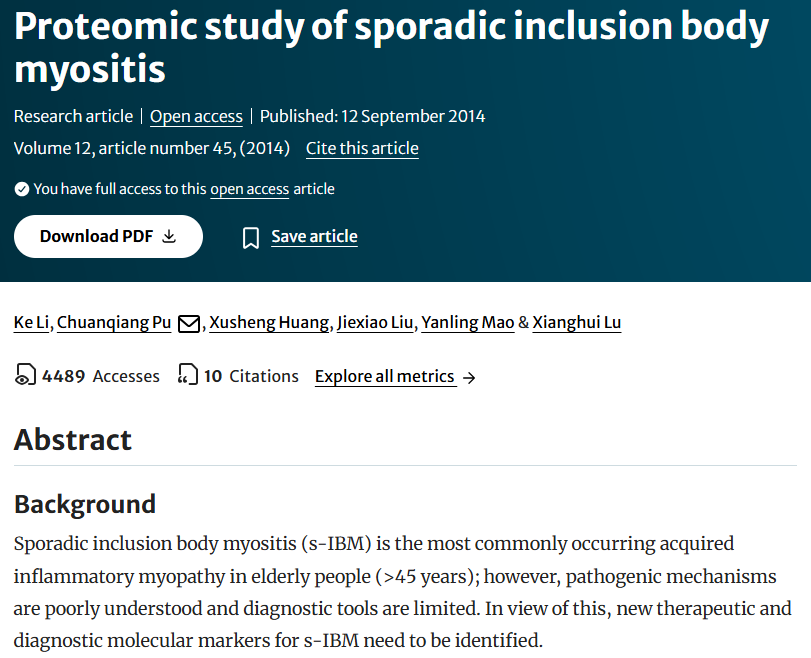
Proteomic study of sporadic inclusion body myositis (2014)