The Metabolic Paradox: Galectin-3 and Type 2 Diabetes
Diabetes Mellitus (T2DM) is a fundamental disorder of glucose homeostasis.
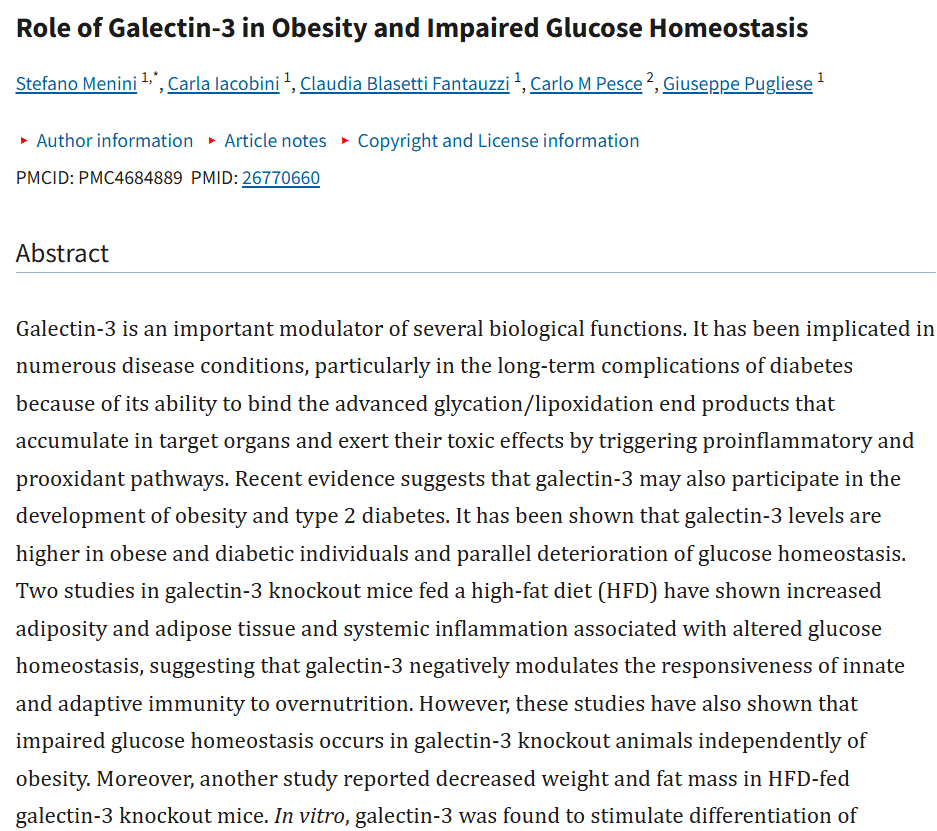
Galectin-3 is an important modulator of several biological functions. It has been implicated in numerous disease conditions, particularly in the long-term complications of diabetes because of its ability to bind the advanced glycation/lipoxidation end products that accumulate in target organs and exert their toxic effects by triggering proinflammatory and prooxidant pathways.
1. The Gal3 Dual-Role: Protective Shield vs. Inflammatory Driver
Research indicates that Gal3 acts at the levels of both adipose tissue and pancreatic islets (which produce insulin), linking it directly to obesity and T2DM. However, the data is conflicting:
The Protective View (Anti-Diabetic): In some studies, Gal3 has been considered a protective factor, possibly stabilizing insulin signaling and reducing the infiltration of aggressive immune cells into the pancreas.
The Aggressive View (Pro-Diabetic): Conversely, other studies find Gal3 associated with an increase in the severity of T2DM. In this context, Gal3 acts as a "metaflammatory" signal, driving macrophage infiltration into fat and the pancreas, thereby worsening insulin resistance.
2. The Contextual Factors: Why the Debate?
The contradictory results regarding Gal3's pathogenetic role in T2DM suggest its function is highly contextual. Scientists believe its effects may be influenced by:
Genetic Background: Individual genetic variations may dictate whether Gal3 behaves as a friend or foe.
Environmental Factors: Differences in diet, age, and sex may "reprogram" Gal3’s behavior.
Study Parameters: The conflicting data may arise from differences in experimental end points (what was measured and when) and the specific tissues analyzed.
Scientific Foundations: The Evidence for Galectin-3 and DM2
-
![]()
Journal: Oxidative Medicine and Cellular Longevity
Role of Galectin-3 in Obesity and Impaired Glucose Homeostasis (2015)
-
![]()
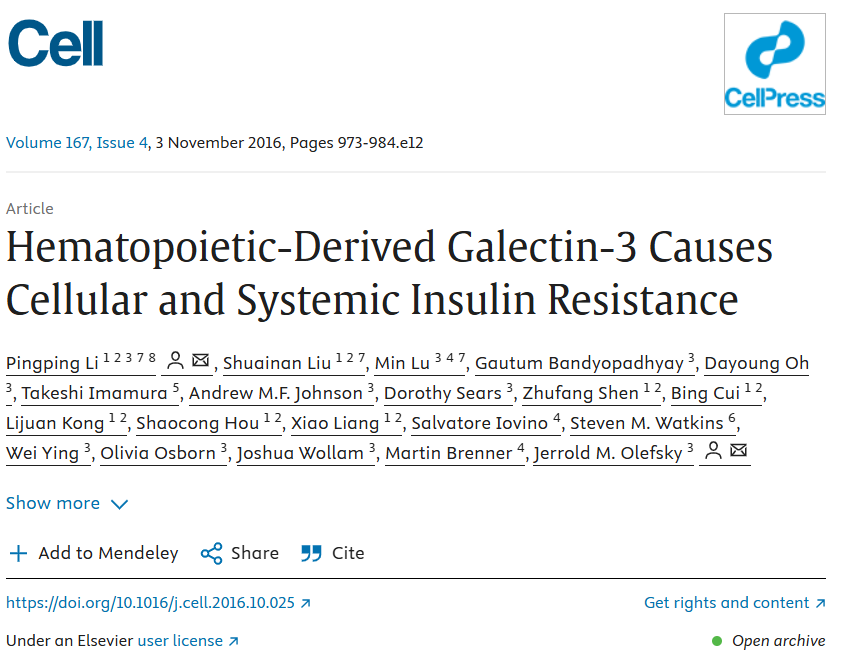
Journal: Cell
Hematopoietic-Derived Galectin-3 Causes Cellular and Systemic Insulin Resistance (2016)
-
![]()
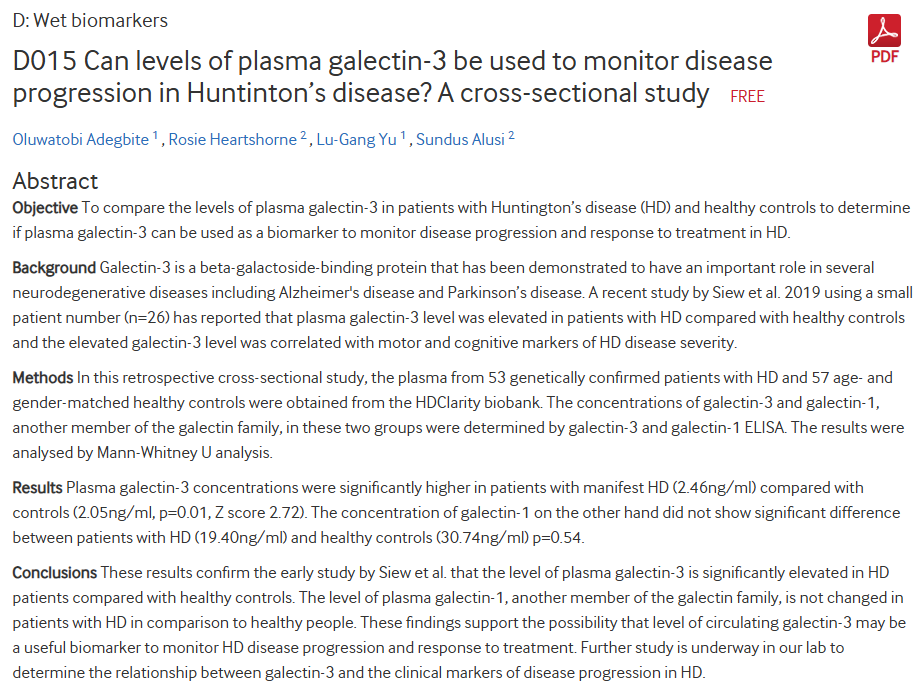
Journal of Neurology, Neurosurgery & Psychiatry
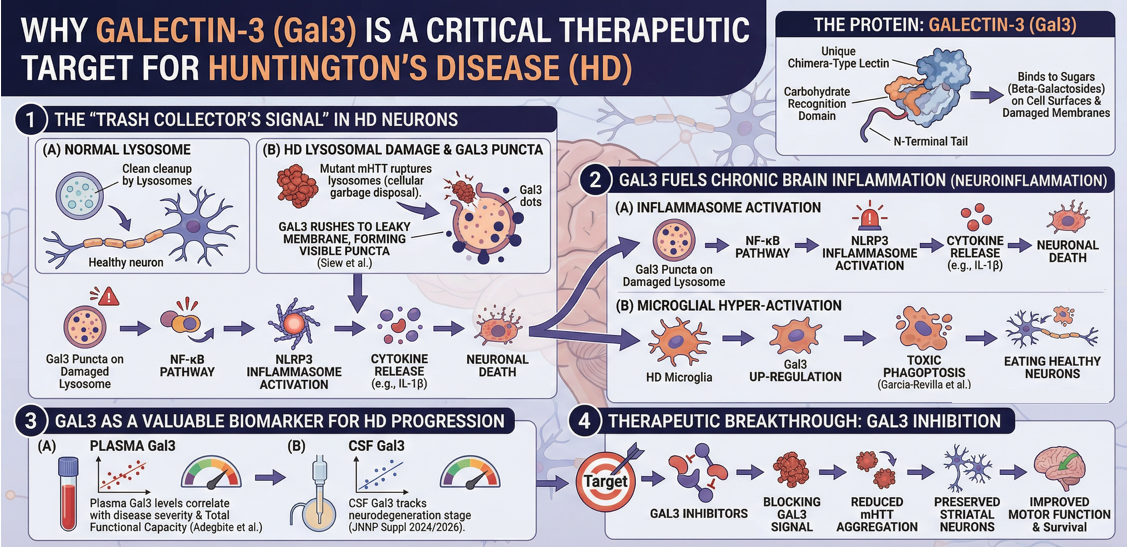
Can levels of plasma Galectin-3 be used to monitor disease progression in Huntington's Disease? A cross-sectional study (2024)
-
![]()
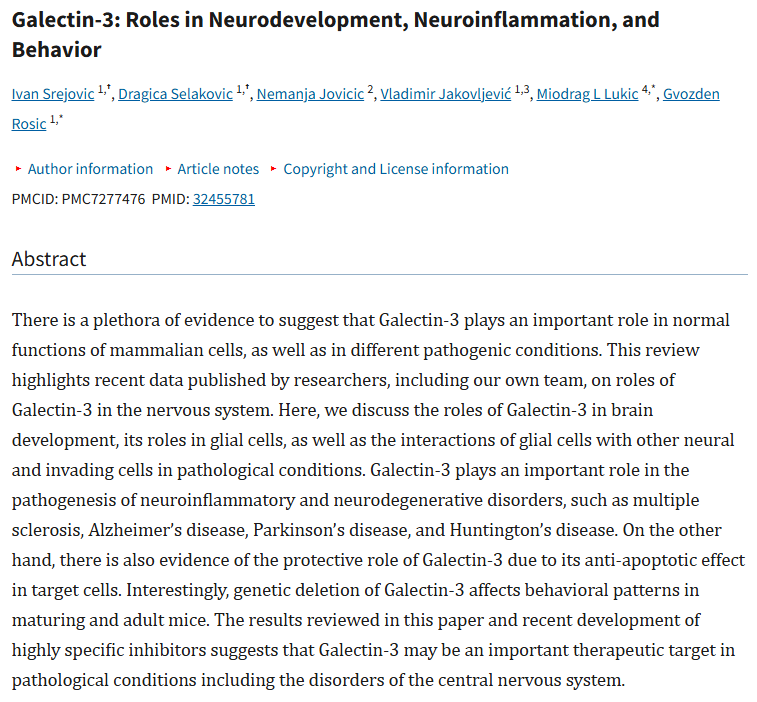
Journal: Biomolecules
Galectin-3: Roles in Neurodevelopment, Neuroinflammation, and Behavior (2020)