Galectin-3 and Inflammation: Connecting Immune Activation, Tissue Repair, and Fibrosis
What Is Inflammation?
Inflammation is the body's response to infection or tissue injury. A short-lived response helps coordinate defense and repair. When inflammation persists or becomes poorly regulated, it can contribute to tissue damage and lasting changes in organ structure.
Galectin-3 (Gal-3) is a carbohydrate-binding protein studied in immune signaling, removal of dying cells, and tissue remodeling. Its effects vary across tissues and experimental settings.
How Galectin-3 Is Involved
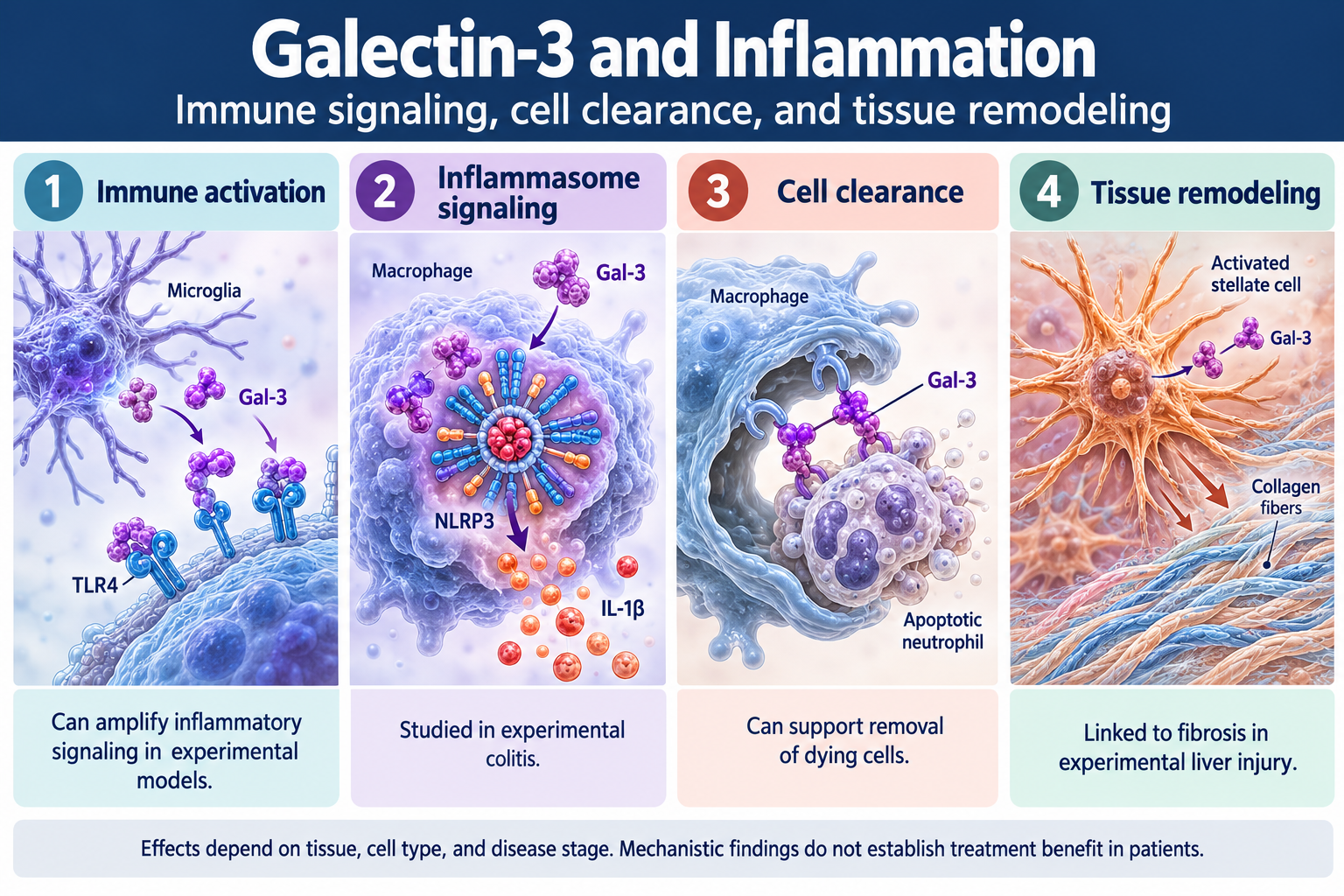
Research connects Galectin-3 with several parts of the inflammatory response:
Communication between activated immune cells
Inflammasome signaling and inflammatory mediator production
Clearance of dying cells
Activation of cells that produce scar tissue
These functions can have different consequences. Amplifying an immune response may contribute to injury in one setting, while clearing dying cells may help inflammation resolve in another.
Galectin-3 Can Amplify Inflammatory Signaling
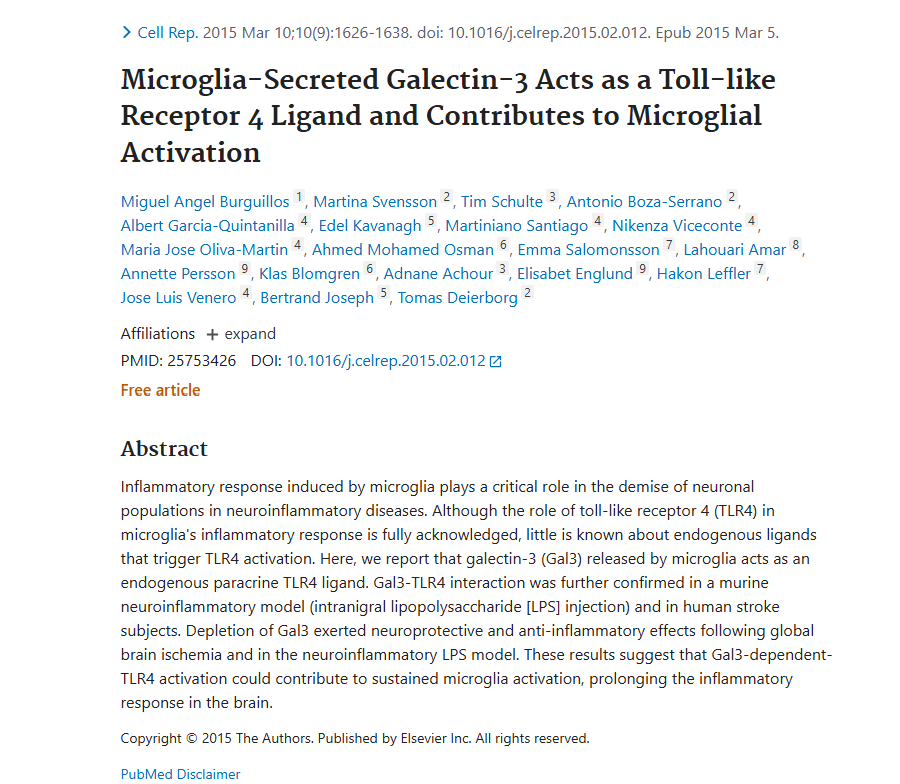
Microglia are immune cells in the brain. In a 2015 study, researchers found that Galectin-3 released by microglia could bind Toll-like receptor 4 (TLR4), a receptor involved in innate immune responses.
Galectin-3–TLR4 interactions were identified in an experimental mouse model of brain inflammation and in tissue from people who had experienced stroke. Removing Galectin-3 reduced inflammatory injury in the experimental models.
These findings suggest a mechanism through which Galectin-3 may help sustain microglial activation. They do not establish that inhibiting Galectin-3 improves outcomes in people with stroke or other inflammatory diseases. [1]
Galectin-3 Participates in Inflammasome Activation
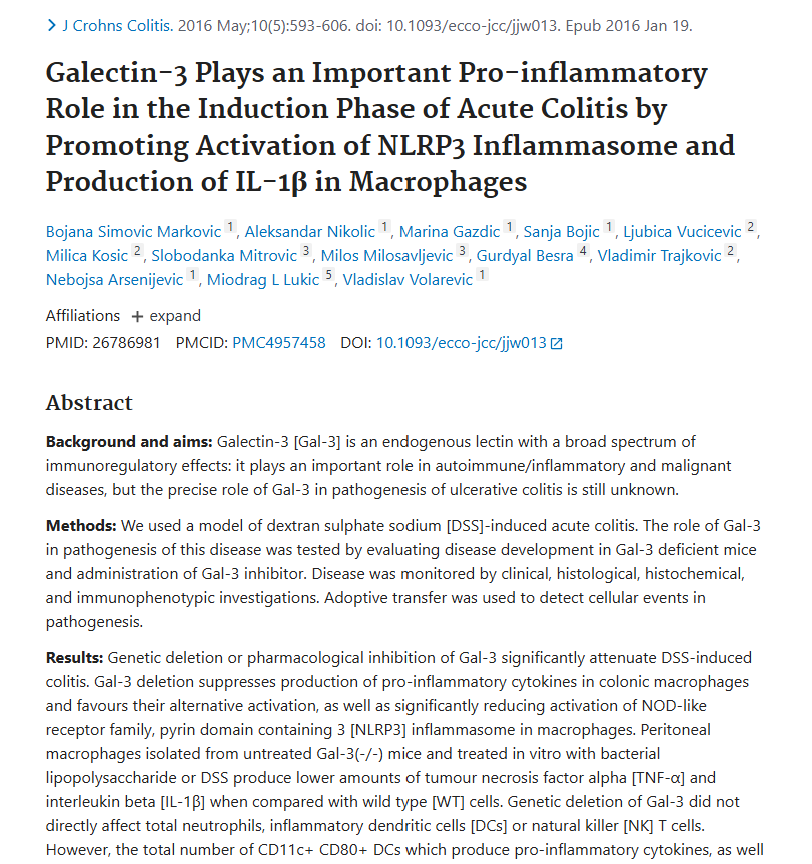
Inflammasomes are protein complexes that help immune cells respond to danger signals. One such complex, NLRP3, participates in the production of the inflammatory mediator interleukin-1β (IL-1β).
A 2016 study examined Galectin-3 in mice with chemically induced acute colitis. Genetic deletion or pharmacological inhibition of Galectin-3 reduced disease severity. The researchers linked Galectin-3 to NLRP3 inflammasome activation and IL-1β production in macrophages.
This supports a role in the early inflammatory phase of that experimental model. Chemically induced colitis in mice does not reproduce every feature of human inflammatory bowel disease. [2]
Galectin-3 Can Support Clearance of Dying Cells
Resolving inflammation requires removal of cells that have reached the end of their life cycle.
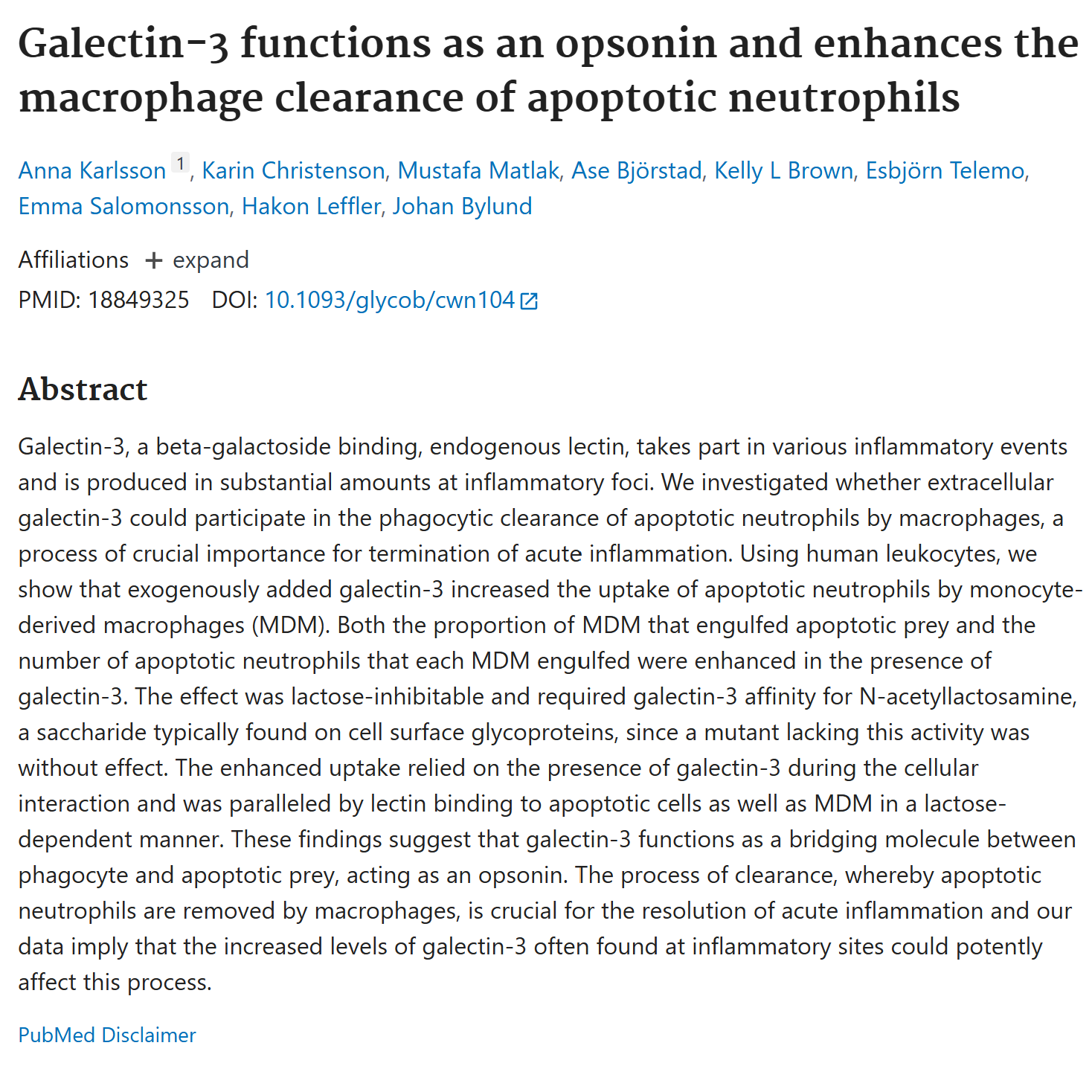
In experiments using human white blood cells, researchers found that adding Galectin-3 increased the uptake of dying neutrophils by macrophages. Galectin-3 appeared to act as a bridge between the macrophage and the dying cell.
This provides evidence that Galectin-3 can support a process associated with the resolution of inflammation. The findings came from cell experiments rather than a treatment trial in patients. [3]
Galectin-3 Links Tissue Injury to Fibrosis
Fibrosis involves excessive accumulation of scar-forming material, including collagen. It is related to tissue injury and repair, but is distinct from inflammation.
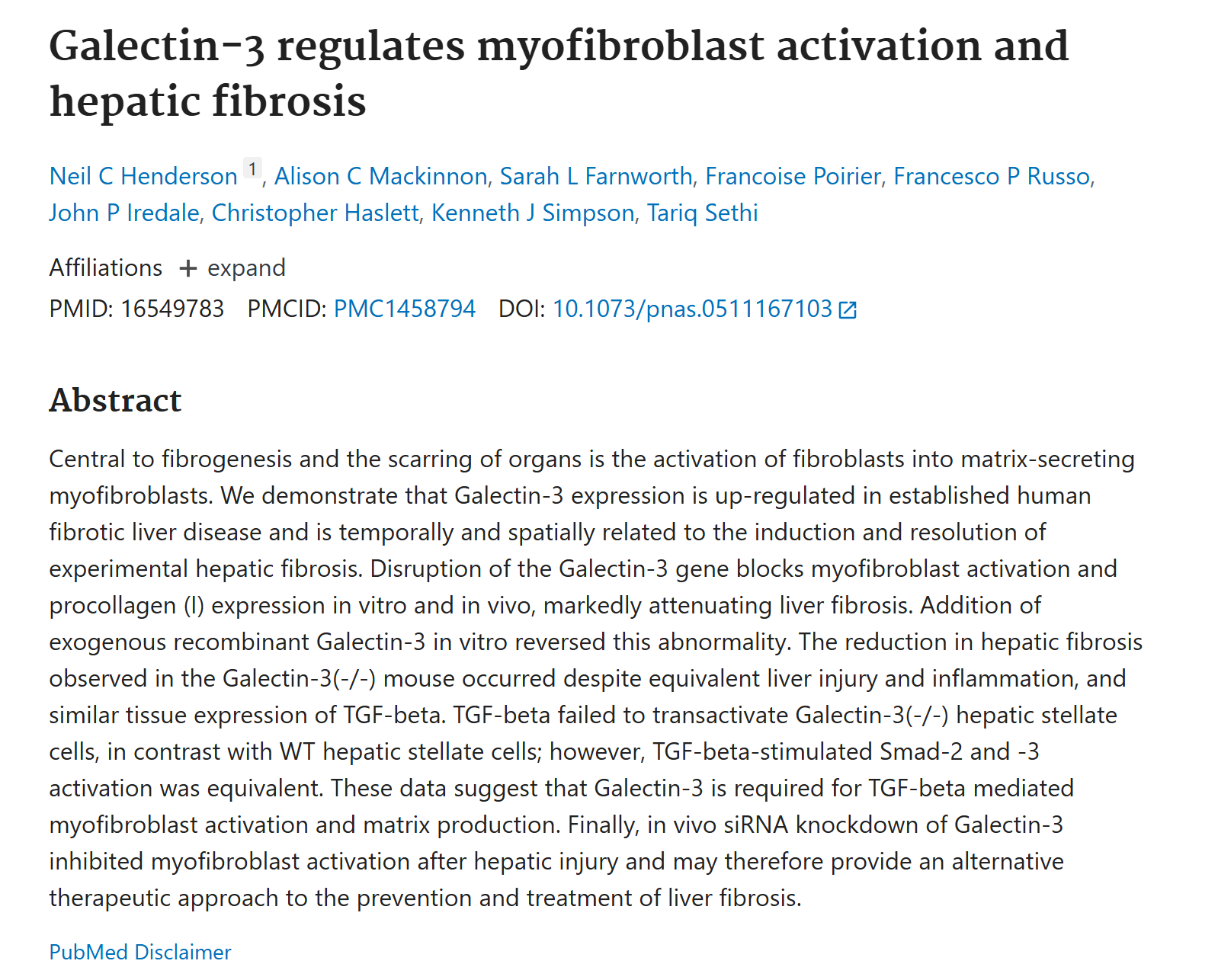
A 2006 study found increased Galectin-3 expression in human fibrotic liver tissue. In experimental liver injury, mice lacking Galectin-3 developed less fibrosis and showed reduced activation of myofibroblasts, the cells responsible for producing much of the scar material.
The reduction in fibrosis occurred despite comparable liver injury and inflammation. This suggests that Galectin-3 can influence scarring through mechanisms beyond simply changing the amount of inflammation. [4]
Why Is Galectin-3 of Scientific Interest?
Galectin-3 connects immune activation, cell clearance, and tissue remodeling. These findings make it a useful subject for research into how inflammatory responses persist, resolve, or lead to scarring.
Its role depends on the organ, cell type, location of the protein, and stage of disease. Results from laboratory and animal studies should be distinguished from demonstrated treatment benefits in patients. The studies summarized here provide mechanistic evidence; they do not establish Galectin-3 inhibition as a treatment for inflammation generally.
Scientific Foundations: The Evidence for Galectin-3 and Inflammation
-
![]()
Journal: Cell Reports
Microglia-Secreted Galectin-3 Acts as a Toll-like Receptor 4 Ligand and Contributes to Microglial Activation (2015)
-
![]()
Journal: Journal of Crohn’s and Colitis
Galectin-3 Plays an Important Pro-inflammatory Role in the Induction Phase of Acute Colitis by Promoting Activation of NLRP3 Inflammasome and Production of IL-1β in Macrophages (2016)
-
![]()
Journal: Glycobiology
Galectin-3 functions as an opsonin and enhances the macrophage clearance of apoptotic neutrophils (2009; online 2008)
-
![]()
Journal: Proceedings of the National Academy of Sciences
Galectin-3 regulates myofibroblast activation and hepatic fibrosis (2006)