Galectin-3 and Gastritis: At the Crossroads of Infection, Immunity, and Gastric Inflammation
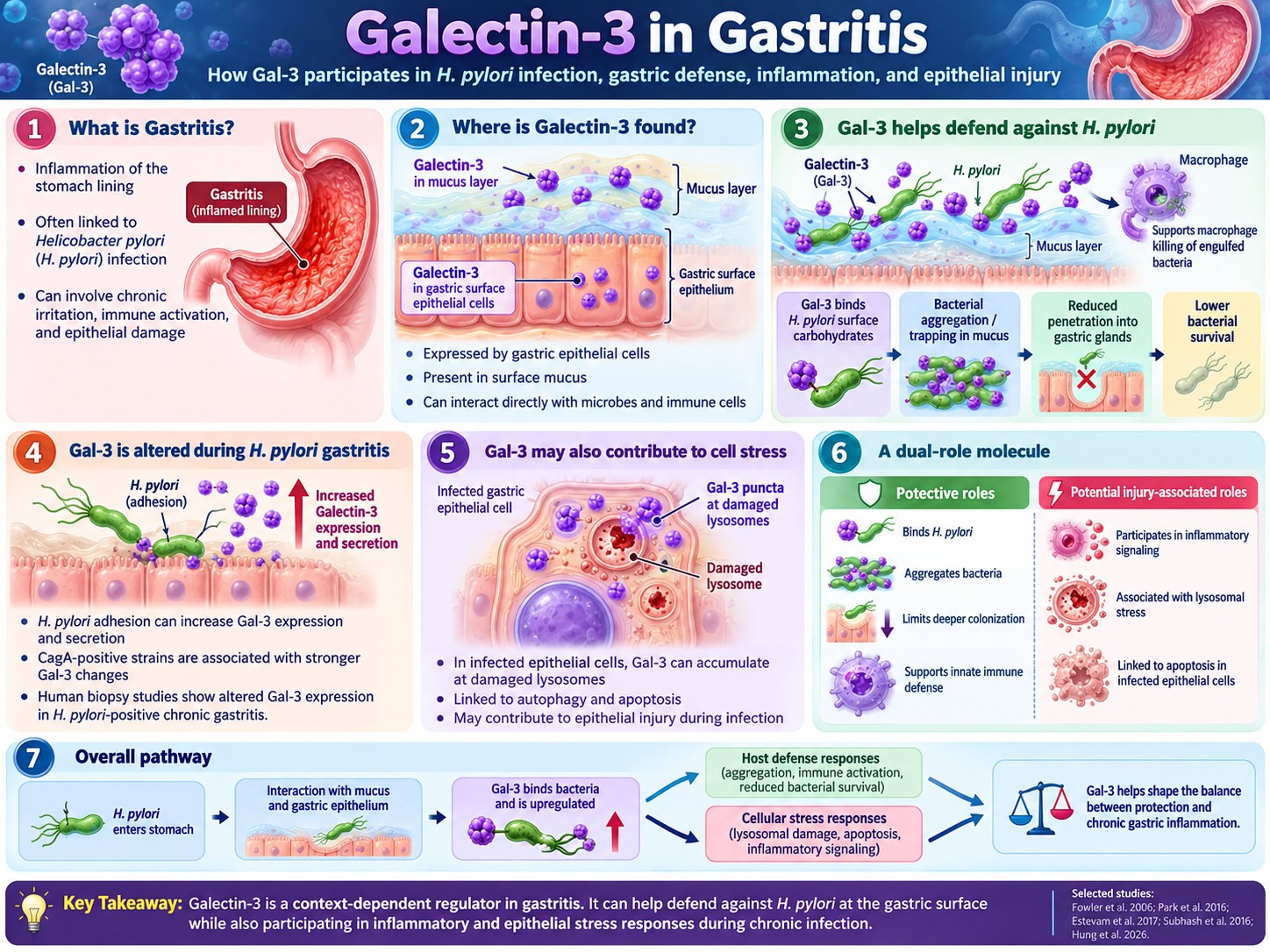
What Is Gastritis?
Gastritis is inflammation of the stomach lining.
It may occur suddenly or develop gradually over time. Chronic gastritis is particularly important because persistent inflammation can damage the gastric mucosa and, in some cases, contribute to ulcers, tissue remodeling, or other long-term gastric complications.
One of the most important causes of chronic gastritis is infection with Helicobacter pylori (H. pylori), a bacterium that can colonize the stomach for many years.
During H. pylori infection, the gastric epithelium and immune system mount a complex response involving:
epithelial barrier defenses
macrophages and other immune cells
inflammatory signaling
bacterial recognition and killing
apoptosis and cellular stress
changes in the gastric mucus layer
Research suggests that Galectin-3 (Gal-3) participates in several of these processes.
Galectin-3 Is Present at the Gastric Surface
The stomach is protected by a mucus layer that forms an important physical barrier between the gastric epithelium and microorganisms.
Experimental studies have shown that Galectin-3 is strongly expressed by surface epithelial cells of the gastric mucosa and is released into this mucus layer. This places Galectin-3 in a strategic location where it can interact directly with H. pylori before the bacteria reach deeper gastric tissues. In a mouse study, Galectin-3 was abundant in both gastric tissue and surface mucus. When normal mice were infected with H. pylori, many bacteria remained trapped within the superficial mucus layer.
In contrast, in mice lacking Galectin-3, H. pylori penetrated much deeper into the gastric glands and bacterial loads were substantially higher. These findings suggest that Galectin-3 may function as part of the stomach's innate mucosal defense system.
Galectin-3 Can Bind Directly to H. pylori
One of the earliest mechanistic studies showed that Galectin-3 can recognize carbohydrate structures on the surface of H. pylori. Galectin-3 binds to the O-antigen portion of bacterial lipopolysaccharide (LPS). This interaction is important because bacterial adhesion to gastric epithelial cells is a critical early step in successful H. pylori colonization. Researchers also found that H. pylori adhesion caused gastric epithelial cells to rapidly increase and release Galectin-3.
Galectin-3 does more than simply bind bacteria. Experimental studies have shown that recombinant Galectin-3 can cause H. pylori bacteria to rapidly aggregate. By cross-linking bacterial surface carbohydrates, Galectin-3 may help keep bacteria within the superficial gastric mucus rather than allowing them to penetrate into deeper glands. Galectin-3 also demonstrated direct antibacterial activity against H. pylori. In laboratory experiments, exposure to recombinant Galectin-3 reduced bacterial viability and caused changes associated with bacterial damage.
Galectin-3 Supports Macrophage Defense
Macrophages are immune cells that engulf bacteria through a process called phagocytosis. Galectin-3 appears to influence how effectively macrophages deal with H. pylori after engulfment.
In experimental studies, macrophages from both normal and Galectin-3-deficient mice were able to ingest H. pylori. However, macrophages lacking Galectin-3 were significantly less effective at killing the bacteria once they had been engulfed. This suggests that Galectin-3 participates in intracellular antimicrobial defense as well as extracellular bacterial trapping.
Galectin-3 Is Altered in Human Chronic Gastritis
The relationship between Galectin-3 and gastritis has also been examined directly in human stomach biopsies.
A study of patients undergoing upper gastrointestinal endoscopy evaluated Galectin expression in gastric antral tissue. Researchers found that Galectin-3 was predominantly expressed in the gastric epithelium. Importantly, Galectin-3 expression in the stromal compartment was significantly increased in patients infected with H. pylori. The increase was particularly pronounced in patients infected with CagA-positive H. pylori strains. CagA is an important bacterial virulence protein associated with stronger gastric inflammatory responses.
Some strains of H. pylori contain the virulence protein CagA. After the bacteria attach to gastric epithelial cells, CagA can be delivered into the host cell and alter intracellular signaling. Research has shown that Galectin-3 upregulation after H. pylori infection depends, at least partly, on this pathway. When researchers used bacteria lacking CagA or components needed to deliver CagA, Galectin-3 induction was reduced. Inhibiting MAPK signaling also reduced Galectin-3 upregulation.
These findings provide direct human evidence connecting altered Galectin-3 expression with H. pylori-associated chronic gastritis.
Extracellular Galectin-3 Can Reduce Bacterial Adhesion
Galectin-3 may have different functions depending on whether it is located inside the cell or outside the cell. Experiments using extracellular recombinant Galectin-3 showed that it could reduce the ability of H. pylori to adhere to gastric epithelial cells. Reduced bacterial adhesion was also accompanied by reduced epithelial-cell apoptosis. The same study found that extracellular Galectin-3 acted as a chemoattractant for monocytes, suggesting that Galectin-3 may also help recruit immune cells to the site of infection.
Galectin-3 May Have a Dual Role During H. pylori Infection
One of the most important conclusions from the current research is that Galectin-3 should not simply be described as either “protective” or “harmful.”
Its function appears to depend on:
where Galectin-3 is located
the cell type involved
the stage of infection
bacterial virulence factors
duration of inflammation
intracellular versus extracellular Galectin-3
At the gastric surface
Galectin-3 may help protect the host by:
trapping H. pylori
aggregating bacteria
limiting bacterial penetration
directly damaging bacteria
In immune cells
Galectin-3 may support:
macrophage bacterial killing
monocyte recruitment
innate immune defense
Inside infected epithelial cells
Galectin-3 may participate :
lysosomal damage responses
autophagy
apoptosis
intracellular inflammatory signaling
Therefore, Galectin-3 appears to function as an important regulator of the host–pathogen interaction rather than as a molecule with one simple biological effect.
Scientific Foundations: The Evidence for Galectin-3 and Gatritis
-
![]()
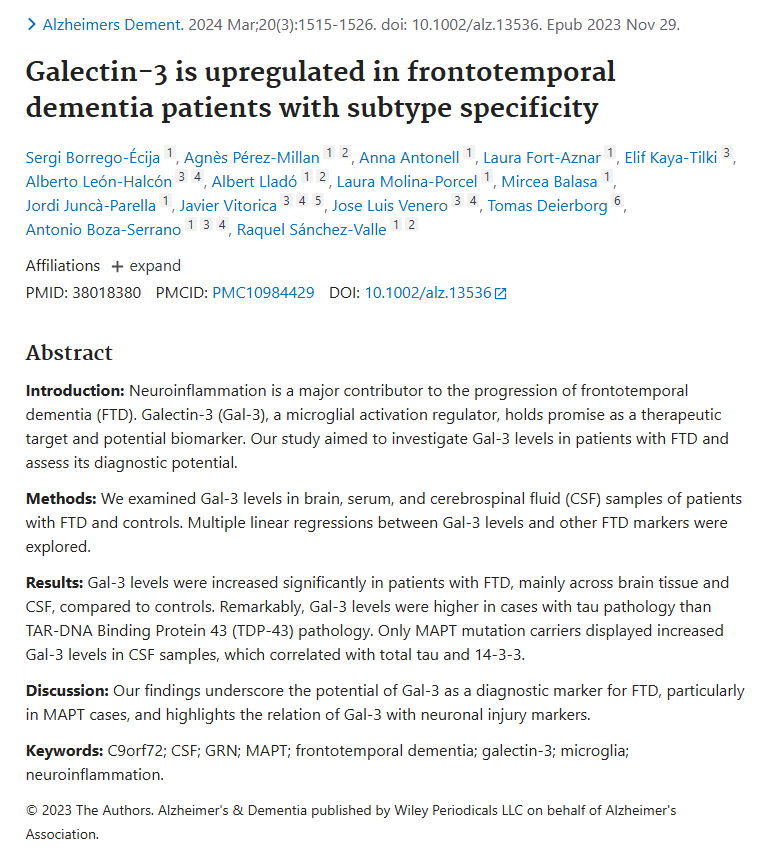
Journal: Alzheumers Dement.
Galectin-3 is upregulated in frontotemporal dementia patients with subtype specificity (2024)
-
![]()
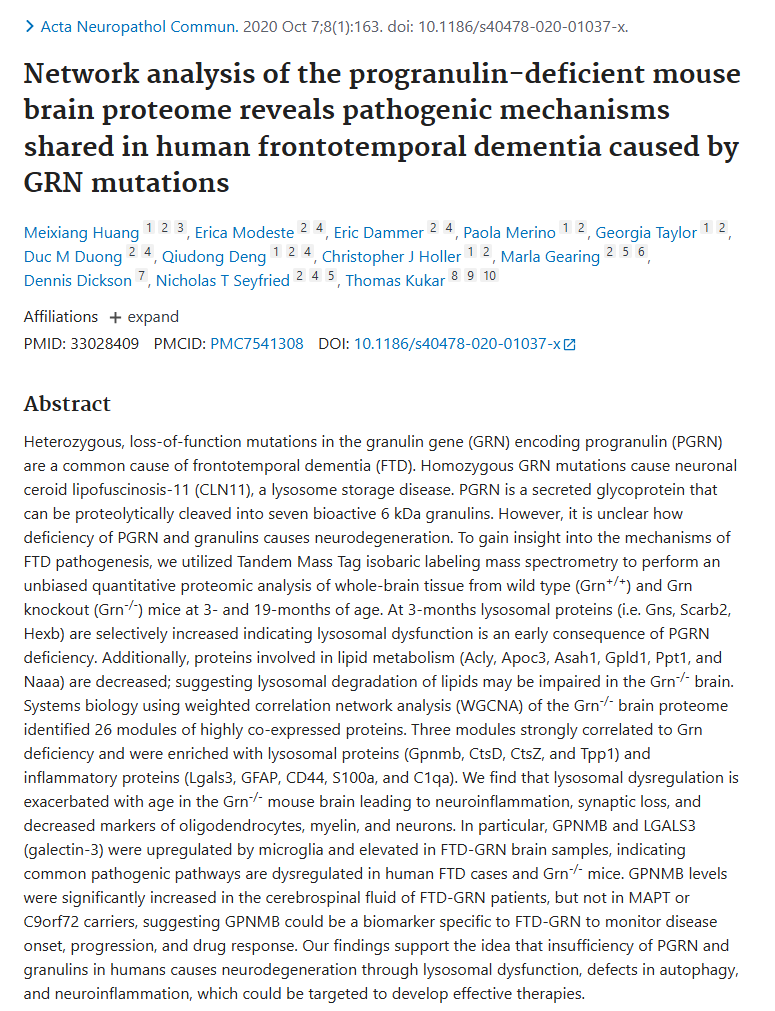
Journal: Acta Neuropathol Commun.
Network analysis of the progranulin-deficient mouse brain proteome reveals pathogenic mechanisms shared in human frontotemporal dementia caused by GRN mutations (2020)
-
![]()
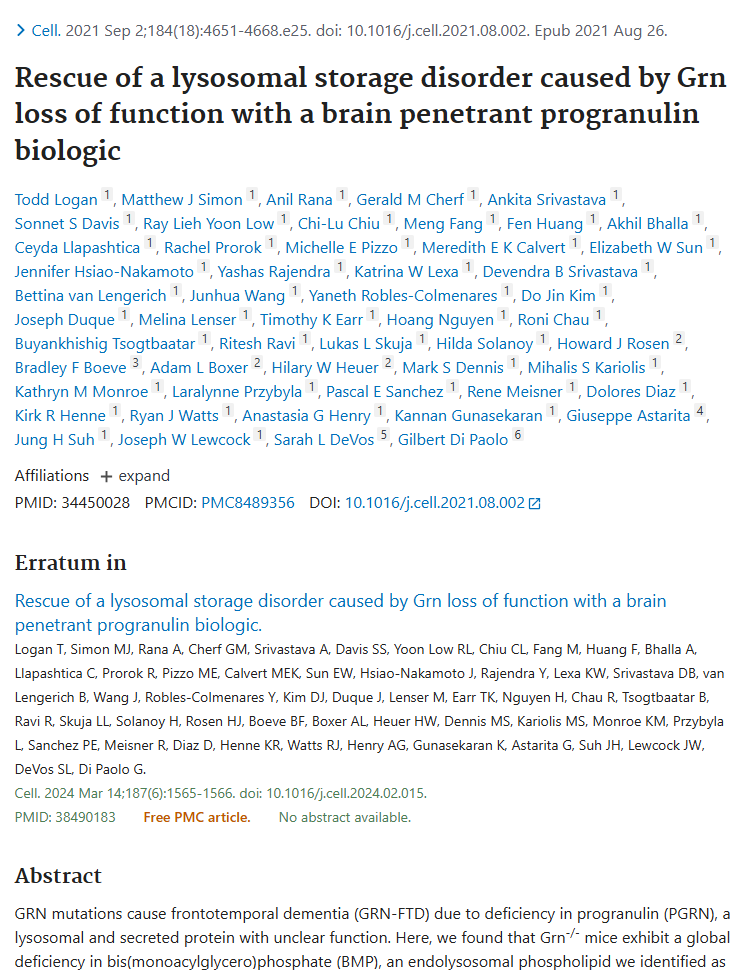
Journal: Cell
Rescue of a lysosomal storage disorder caused by Grn loss of function with a brain penetrant progranulin biologic (2021)
-
![]()
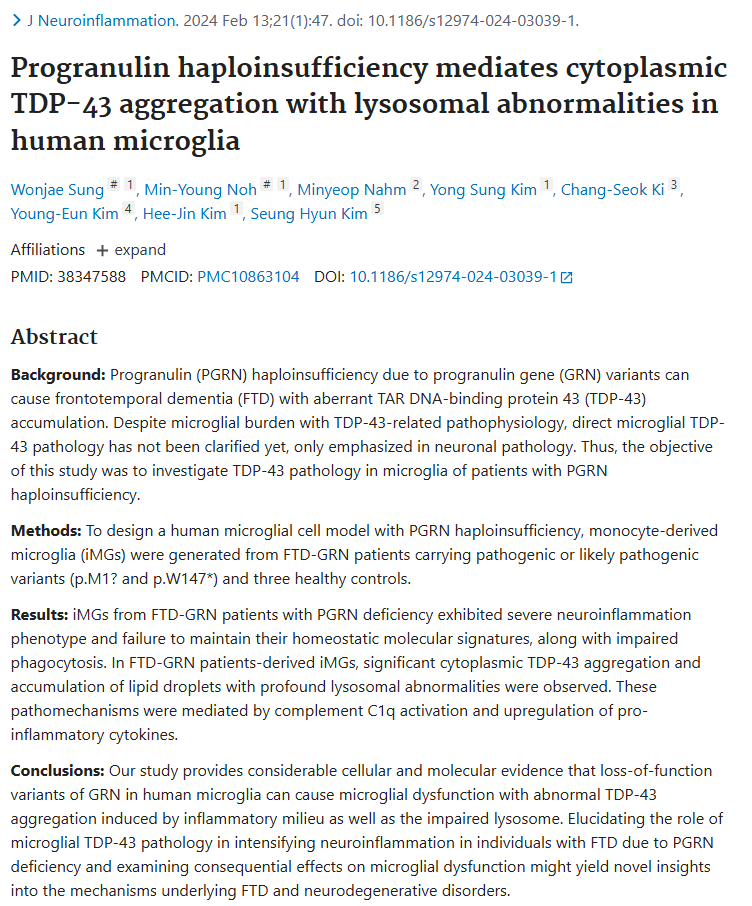
Journal: Neuroinflammation
Progranulin haploinsufficiency mediates cytoplasmic TDP-43 aggregation with lysosomal abnormalities in human microglia (2024)