Galectin-3: The Universal "Swiss Army Knife" of Cancer
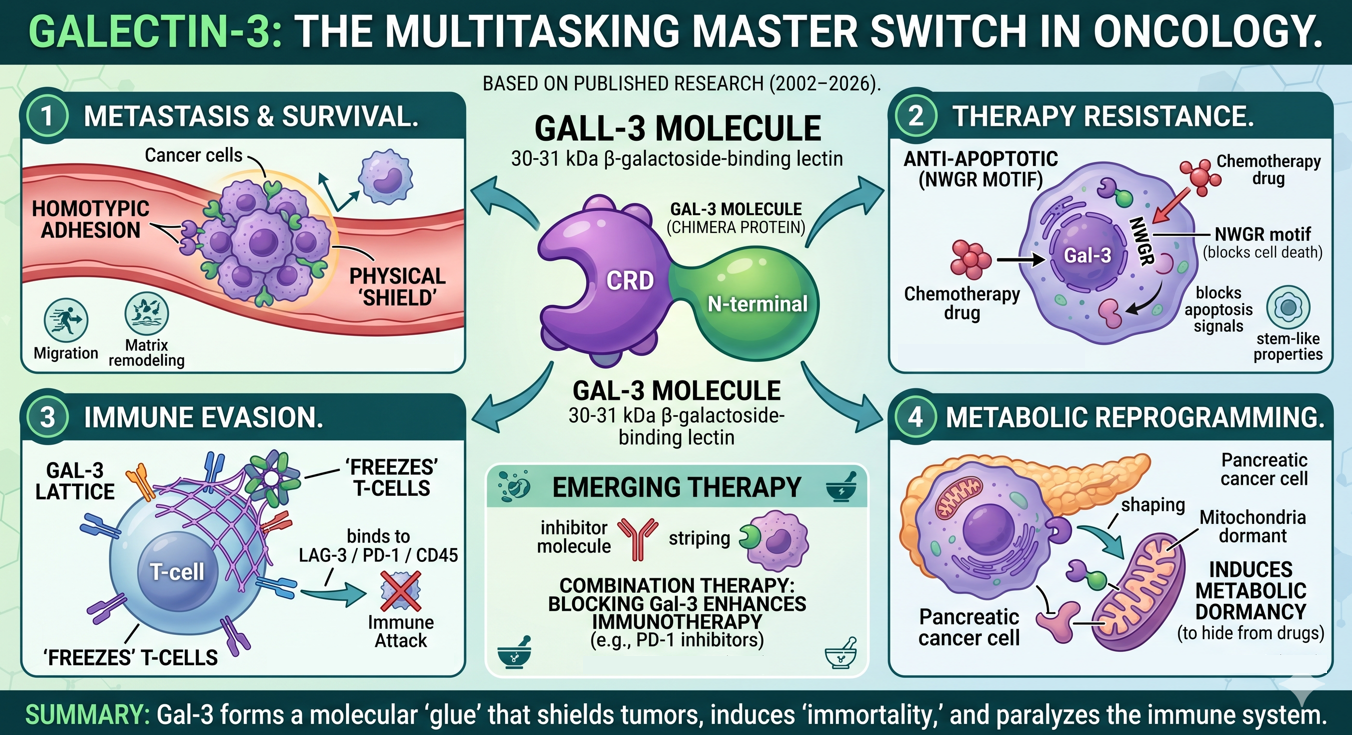
In cancer, Galectin-3 (Gal3) acts as a multifunctional protein that helps the tumor survive, travel, and hide. It is found both inside the cell (cytoplasm/nucleus) and outside in the tumor microenvironment.
1. The "Velcro" of Metastasis (Extracellular)
For a tumor to spread to other organs, cancer cells must leave the primary tumor and survive the "harsh" environment of the bloodstream. Gal3 is famously known as the "molecular velcro" of the bloodstream.
The MUC1 Interaction: On the surface of cancer cells, Gal3 binds to a large protein called MUC1. This interaction exposes adhesion molecules that allow cancer cells to "dock" onto the lining of blood vessels.
Seeding the Soil: This helps circulating tumor cells (CTCs) stop and invade distant organs, particularly the lungs and bones, facilitating the spread of the disease.
Migration: It acts like a "glue," allowing cells to grip the extracellular matrix (the scaffolding between cells) to move into new tissues.
2. The "Anti-Death Shield" Against Chemotherapy (Intracellular)
One of the biggest challenges in treating cancer is apoptosis resistance—when cancer cells refuse to die even when treated with chemotherapy. Inside the cancer cell, Gal3 acts as a guardian of the mitochondria.Depending on where Gal-3 is located in the cancer cell, it performs different "evil" tasks:
In the Nucleus: It acts as a transcription factor, "turning on" genes that promote cell growth and prevent the cell from maturing (keeping it in a fast-growing, stem-like state).
In the Cytoplasm: It contains an NWGR motif—the same "anti-death" sequence found in the Bcl-2 protein family. This makes the cancer cell nearly "immortal" by blocking the internal signals that usually trigger cell suicide (apoptosis).
Outside the Cell (Secreted): Once secreted into the Tumor Microenvironment (TME), it acts as a "paralyzer" for immune cells and a "scout" for metastasis, helping cells break away and travel to new organs.
3. The "Immune Invisibility Cloak"
Gal3 is secreted into the space around the tumor to deactivate the body’s natural defenses.
LAG-3 Activation: When Gal-3 binds to LAG-3, an inhibitory "checkpoint" receptor, it sends a strong "stop" signal to the T cell.
T-celll Functional Paralysis: This binding is necessary for Gal-3 to suppress T cell effector function. Without Gal-3, T cells in the tumor microenvironment are significantly more active and inflammatory against the tumor.
Macrophage Subversion: Gal-3 "re-programs" macrophages (the body's cleanup cells). Instead of eating cancer cells, these macrophages become "pro-tumor," actually helping the cancer grow and build new blood vessels (angiogenesis).
Scientific Foundations: The Evidence for Galectin-3 and Cancer
-
![]()
Journal: Immunother Cancer
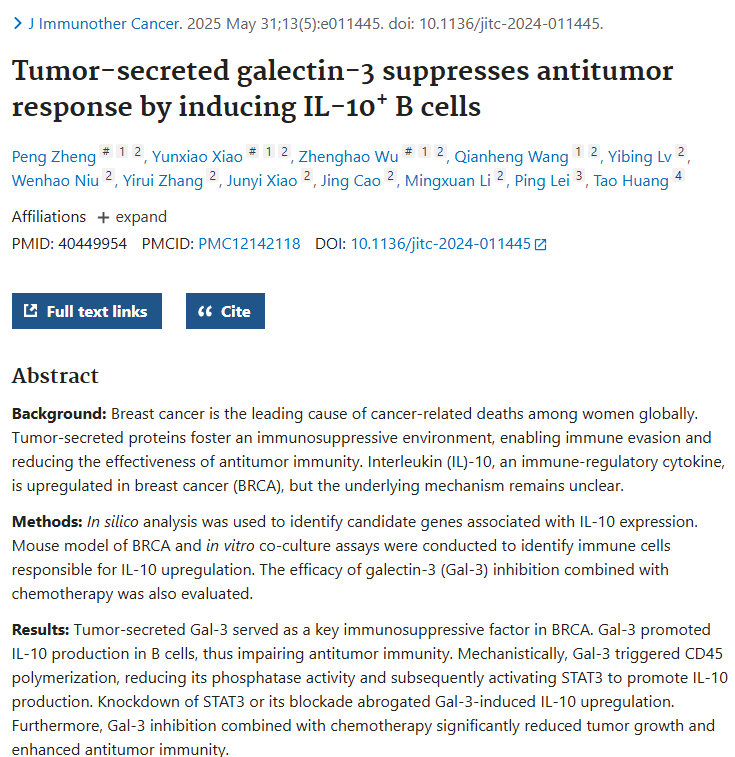
Tumor-secreted galectin-3 suppresses antitumor response by inducing IL-10+ B cells (2025)
-
![]()
Journal: Nature Reviews Cancer
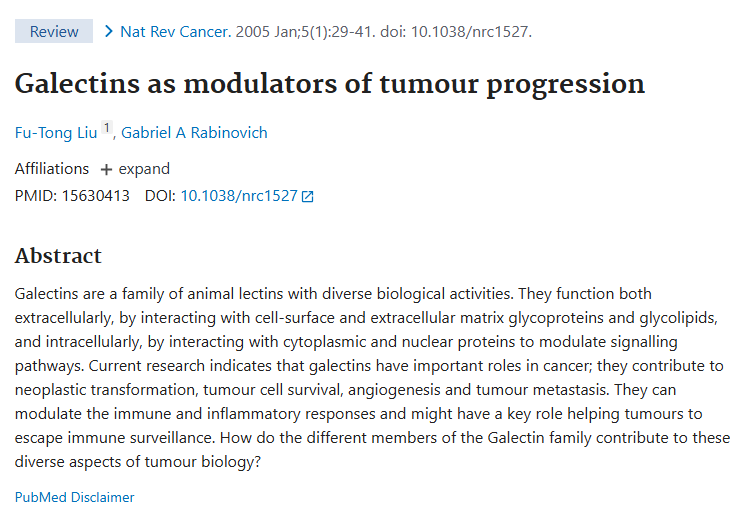
Galectins as modulators of tumor progression.(2005)
-
![]()
Journal: Drug Resist Update
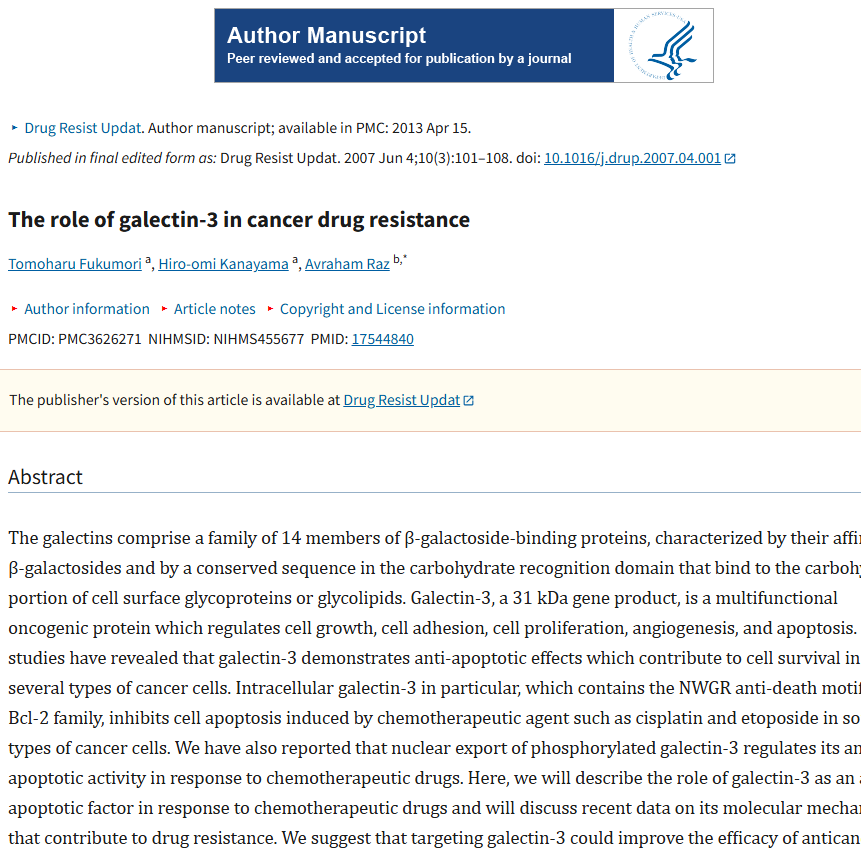
The role of galectin-3 in cancer drug resistance (2013)
-
![]()
Journal: Oncoimmunology
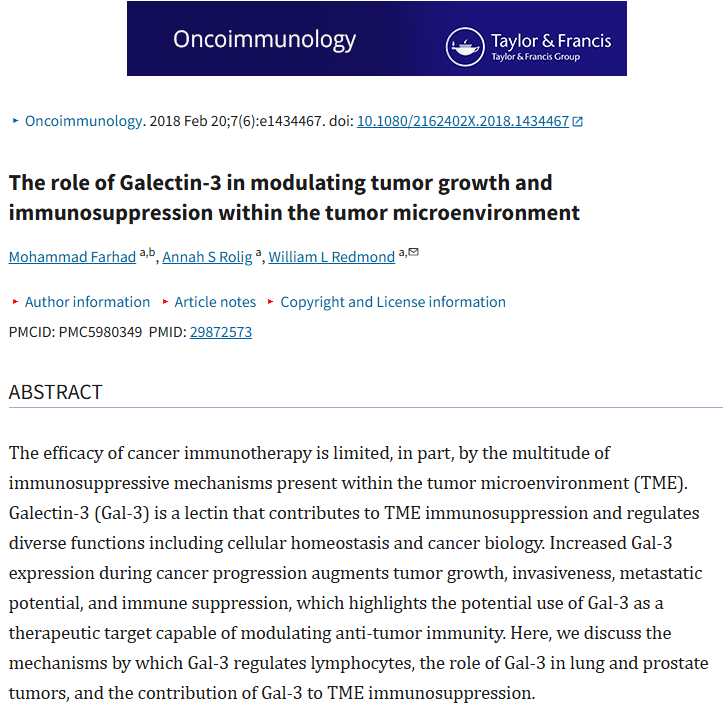
The role of Galectin-3 in modulating tumor growth and immunosuppression within the tumor microenvironment (2018)
-
![]()
Journal: Molecular Medicine
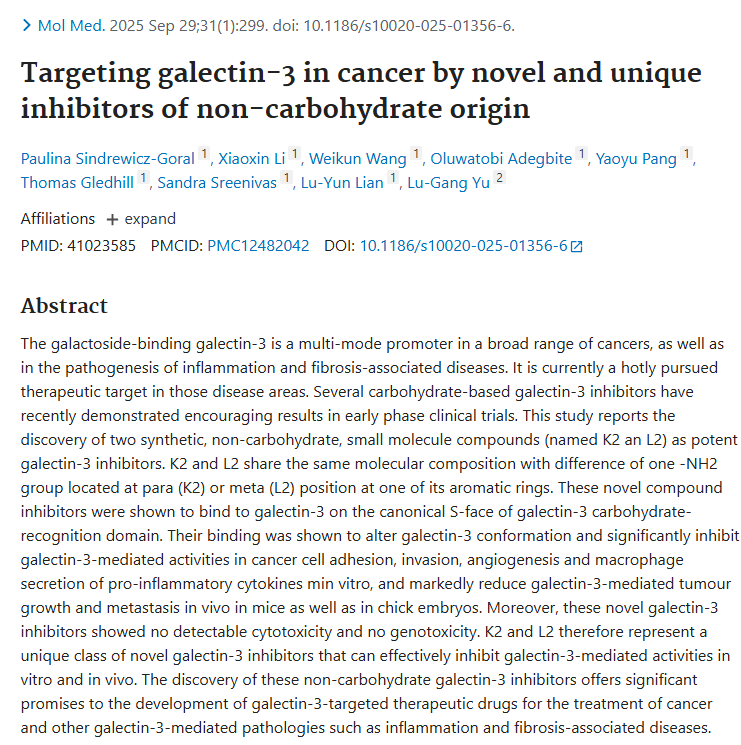
Targeting galectin-3 in cancer by novel and unique inhibitors of non-carbohydrate origin (2025)